
In this blog, Abraham Paul reflects on global influence and how mid-sized businesses can scale internationally by listening, adapting, and integrating into local markets rather than simply expanding into them.
When conversations turn to global expansion, they often move very quickly toward scale – how many countries, how fast the rollout is, how large the footprint becomes. That method of framing has always been slightly misleading. In his view, global influence has very little to do with size and everything to do with understanding.

A company can operate in ten countries and still not truly belong in any of them. At the same time, another business can be deeply rooted in just two markets and exercise far greater influence. The difference lies in how a business approaches a market from the very beginning.
Why Global Influence Is Often Misunderstood
The language of “entering” markets suggests an empty space, something waiting to be occupied. In reality, markets are anything but empty.

Every market is already alive. It carries its own habits, histories, power structures, and informal rules – many of which never appear in formal reports or data sets. These unspoken systems shape how trust is built, how decisions are made, and how value is perceived.
When a business ignores this complexity and attempts to impose itself, friction is inevitable.
Resistance emerges not because the product or service is weak, but because the approach is misaligned. In contrast, the companies that last are usually the ones that arrive with curiosity rather than certainty, and with questions rather than assumptions.

One of the most common misconceptions, particularly among growing mid-sized businesses, is the belief that presence equals influence. It does not. Simply being operational in a market does not mean a business is understood, trusted, or welcomed.

Influence comes from participation – from learning how trust works locally, from understanding how decisions are really made, and from knowing when to push forward and when to pause. This kind of influence cannot be replicated by copying what worked elsewhere. It is built by spending time on the ground and listening more than speaking, especially in the early stages.
Why Mid-Sized Businesses Actually Have an Advantage
Interestingly, mid-sized businesses often have an edge in global markets – when they approach expansion thoughtfully.
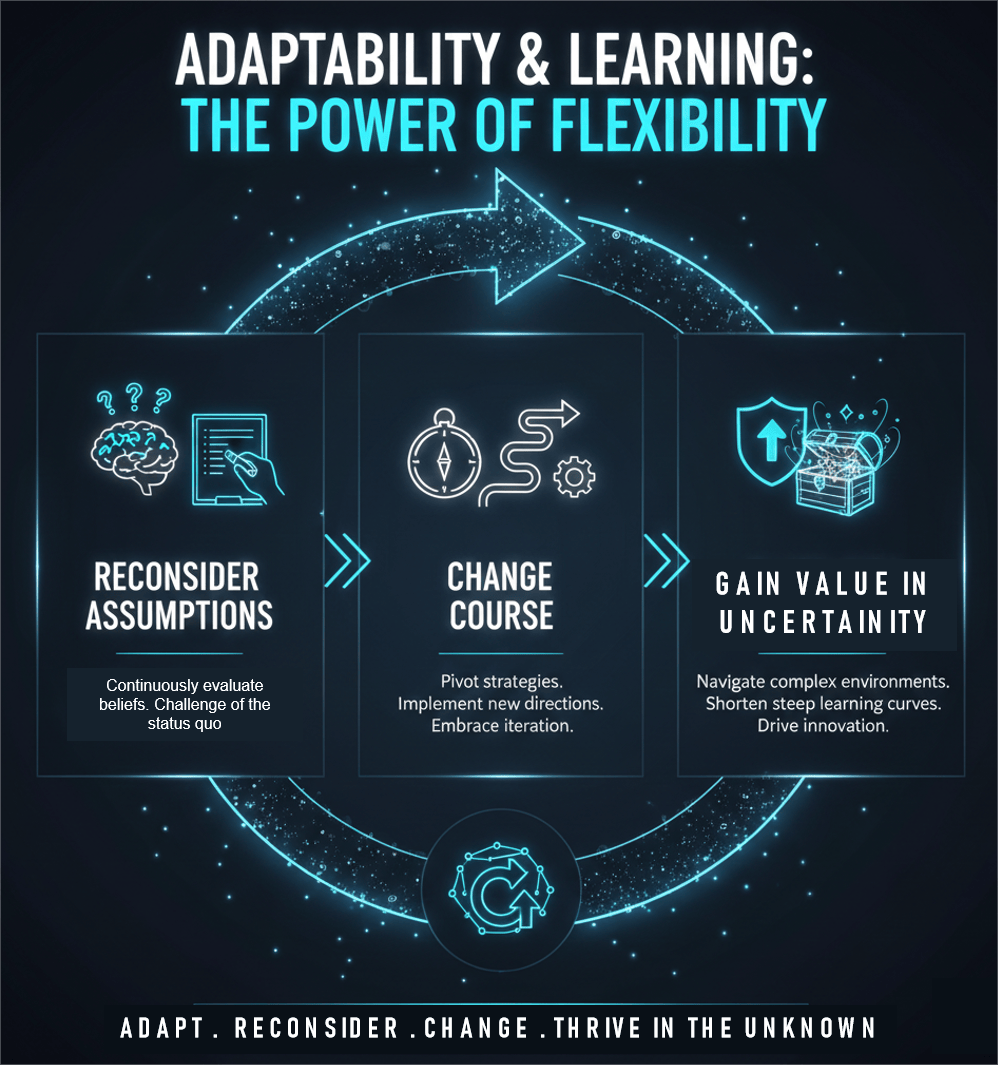
Unlike large corporations, they are not weighed down by rigid systems or institutional overconfidence. They retain the ability to adapt, to reconsider assumptions, and to change course when needed. That flexibility becomes incredibly valuable in unfamiliar environments where certainty is limited, and learning curves are steep.
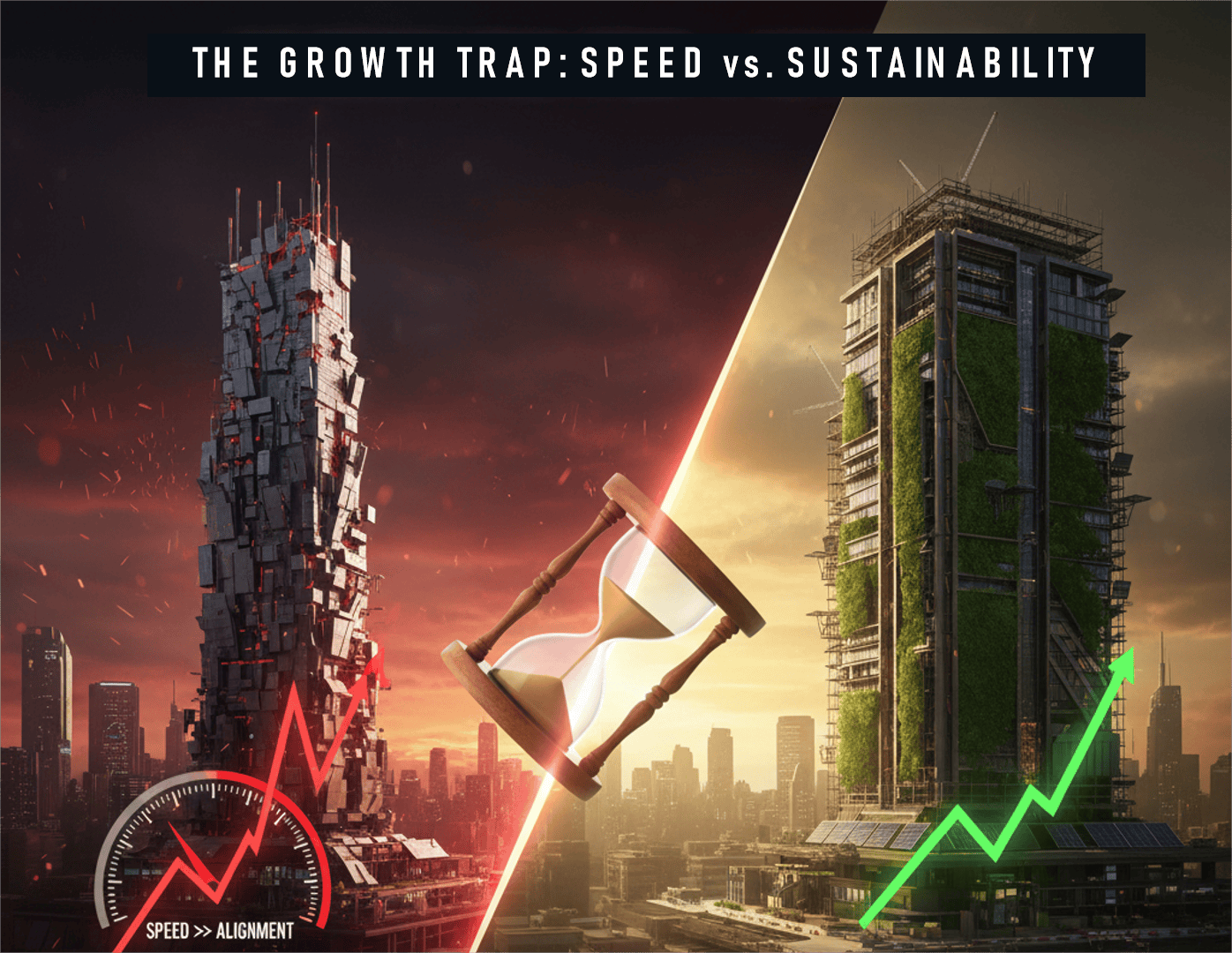
The challenge arises when mid-sized companies feel pressured to behave like large enterprises before they have earned that position. Speed begins to matter more than alignment, and growth starts to look performative rather than sustainable.
This pattern often repeats itself. A business succeeds in one geography, builds a strong operating model, and then assumes the same model will travel unchanged. But success is always contextual. It works not only because of who the business is, but because of where it operates.
Adapting an approach does not dilute identity. In fact, it clarifies it. Businesses begin to see which elements of their model are essential and which were simply convenient in a particular environment. That distinction becomes critical as they scale.
Coexistence Isn’t Soft – It’s Strategic
Coexistence is often dismissed as a soft concept, but it is one of the most strategic choices a business can make.
To coexist with a market is to respect its constraints and learn to work within them. Regulation, culture, and competition are not barriers to be overcome; they are signals that reveal how the system actually functions. Businesses that learn to read these signals build credibility, and credibility creates far more leverage over time than aggressive expansion ever could.
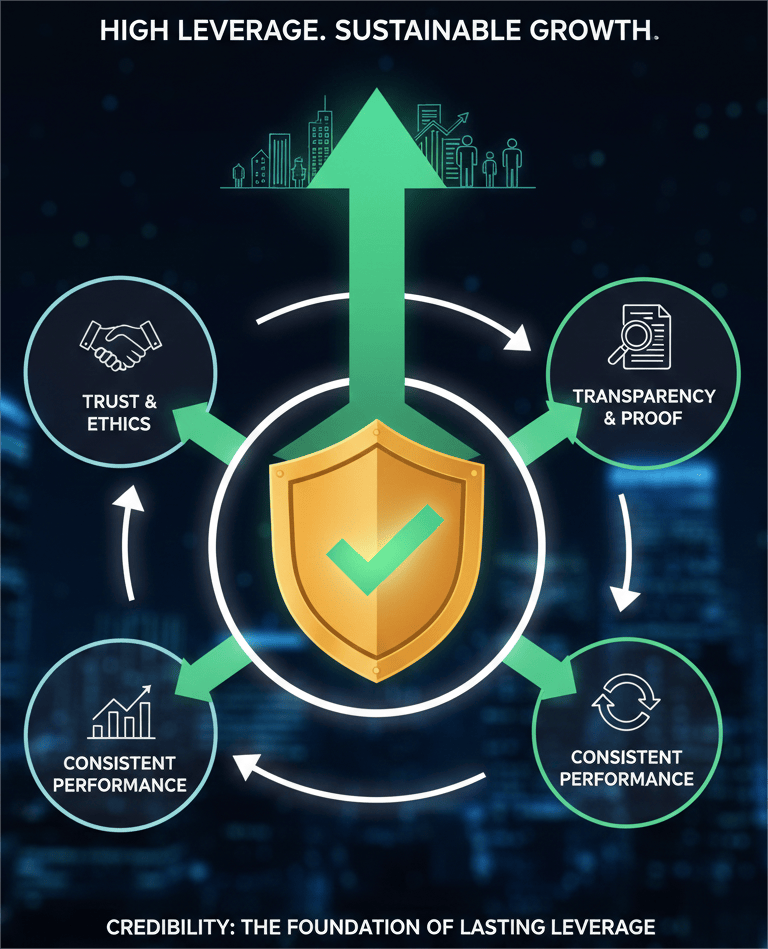
This is especially important because global scaling is not purely technical. There is a strong emotional dimension that is frequently overlooked.
How do negotiations feel on the ground?
How is disagreement expressed?
How is trust tested?
How are hierarchies perceived?
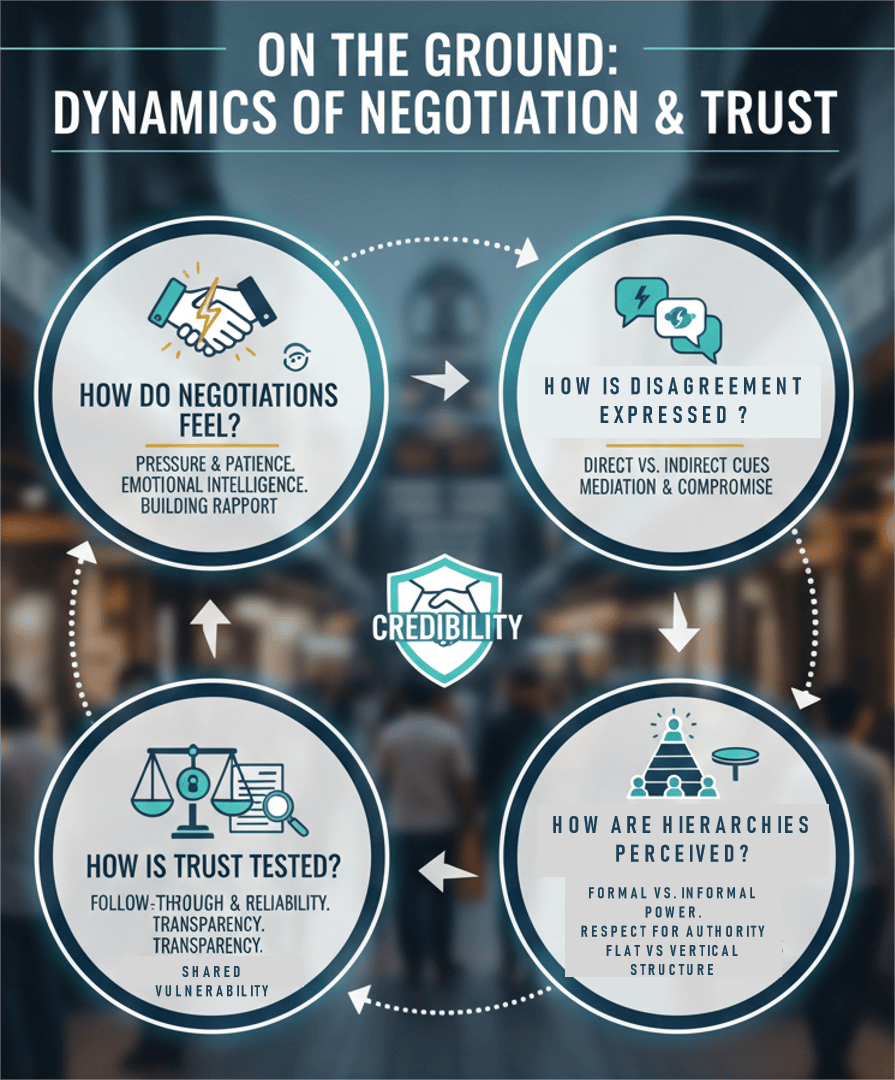
These factors influence outcomes just as much as pricing models or supply chains. When leadership fails to develop sensitivity to these nuances, a business may be technically present but culturally absent. And culturally absent businesses remain outsiders, regardless of how long they have operated in a region.
Global thinking requires emotional intelligence. Without it, even the most well-designed strategies struggle to land.
What Sustainable Global Scale Actually Looks Like
If there is one certainty, it is that there is no single global playbook.
Some principles travel well – integrity, consistency, and value creation among them. Tactics, however, are always local. Sales cycles, communication styles, negotiation norms, and partnership expectations vary widely across borders.

The mistake many organisations make is forcing uniformity for the sake of control. Real scale allows for local expression within a clear strategic core.
Sustainable global growth rarely looks impressive in the beginning. It is quiet, intentional, and sometimes frustratingly slow. But over time, it builds depth – deeper relationships, stronger teams, and partners who advocate for the business even when it is not in the room.

That is when influence begins to compound.
How This Worldview Shapes ArthaVerse

At ArthaVerse, this worldview directly shapes how global scaling is approached.
The objective is not to help businesses expand everywhere as a transactional milestone. It is to help them expand well – to enter markets with clarity, humility, and a realistic understanding of what must remain constant and what must evolve.
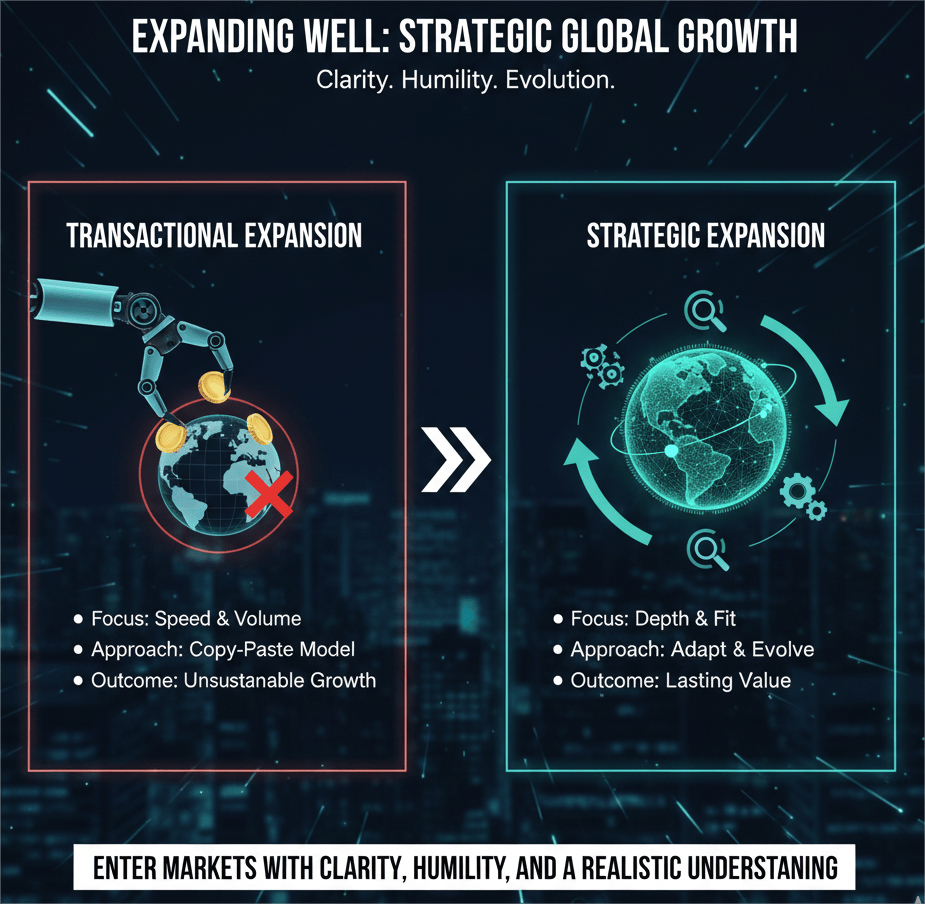
Because global growth, when done responsibly, is not really about expansion at all.
It is about integration.

