As the corporate ladder loses relevance in India, AI is fueling a new wave of entrepreneurship. Explore what founders need to scale beyond tools.
India's Shift from Corporate Careers to Entrepreneurship | AI & SME Growth
The corporate ladder is losing relevance.

Entrepreneurship, on the other hand, is gaining momentum.
India is rethinking the very nature of work–and the signals are clear.
The Corporate Ladder is Losing Relevance in India
For decades, structured corporate careers defined success. Today those assumptions are being challenged.
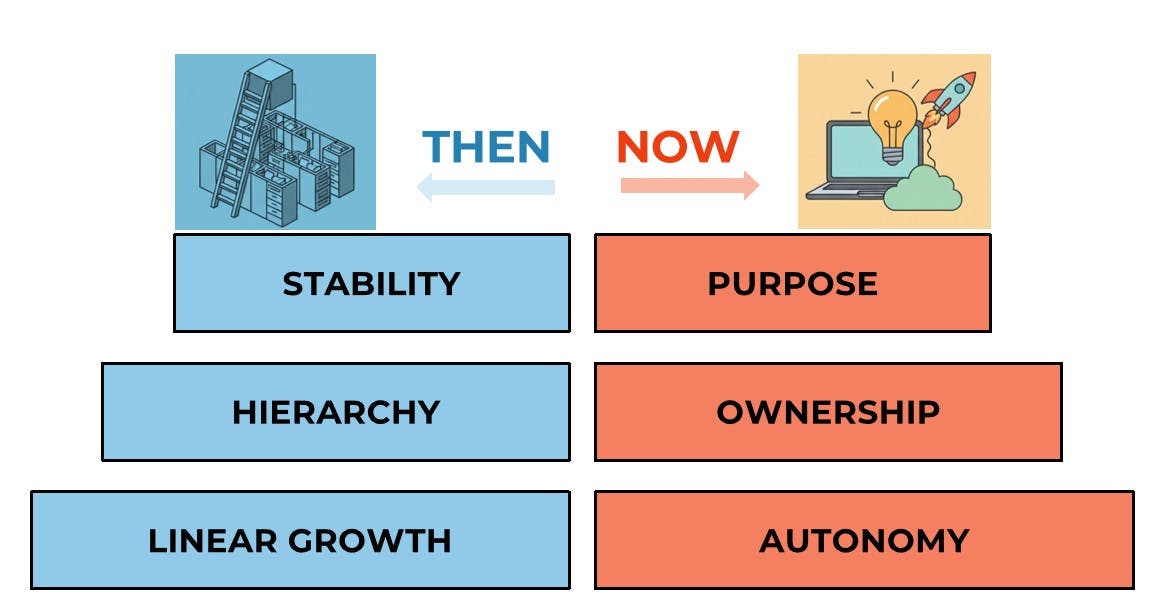
Recent LinkedIn insights indicates that 7 out of 10 Indian Professionals now aspire to work for themselves, reflecting a growing preference for autonomy, ownership, and purpose-driven careers.
This shift is not anecdotal or temporary.
It represents a structural change in how professionals view employment and value creation.
Entrepreneurship in India is No Longer a Trend–It's a Cultural Shift
India's entrepreneurial ambition is being fueled by multiple forces: digital access, cultural acceptance of risk, and the visibility of startup success stories. However, one factor stands out as a powerful accelerator.
AI as an Enabler of Entrepreneurship
AI is an enabler of this shift.

Artificial Intelligence has significantly lowered the barriers to entry for entrepreneurs:
- 82% of SMB leaders believe AI makes starting and running a business easier.
- 97% are already using AI tools in some form.
- 83% consider AI critical to future growth.
In theory, these conditions should create an exceptionally favourable environment for founders.
Yet the outcomes tell a more complex story.
If AI Makes Starting a Business Easier, Why do Most SMEs Still Struggle?
Most Indian SMEs continue to struggle beyond their initial years. While starting a business has become easier, scaling one sustainably remains challenging.
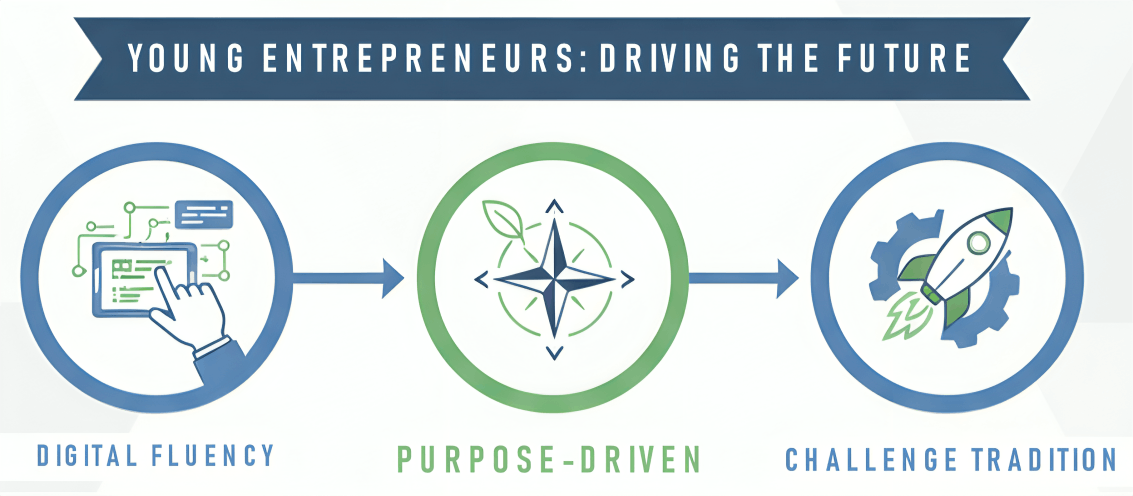
This is particularly evident among Millennial and Gen Z founders. As highlighted in global research, younger entrepreneurs are digitally fluent, purpose-driven, and willing to challenge traditional business models. However, ambition and access alone do not guarantee long-term success.
ArthaVerse Findings: The Three Gaps Holding Back Indian Entrepreneurs
Through our work with entrepreneurs and startup founders at ArthaVerse, a set of recurring gaps are evident:
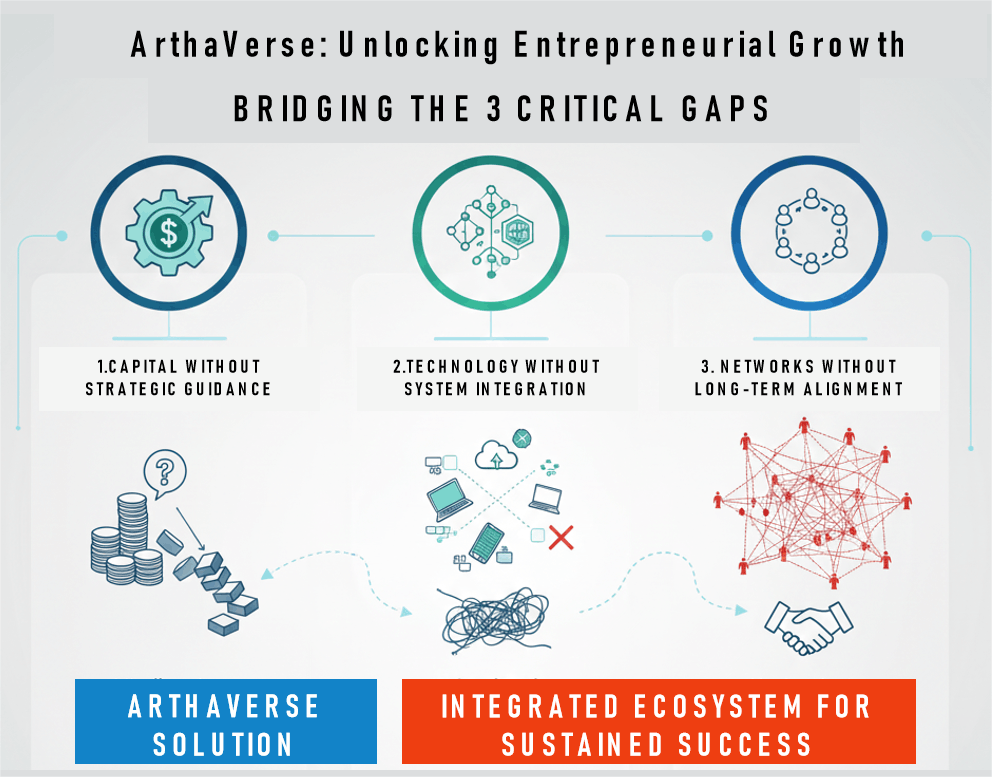
1. Capital Without Strategic Guidance
Access to funding is increasing–but capital without direction often leads to misallocation, short-term decisions, and fragile growth models.
2. Technology Without System Integration
AI and digital tools are adopted in isolation, without being embedded into cohesive operating systems. This limits their real impact on productivity and scale.
3. Networks Without Long-Term Alignment
Founders often have access to communities, mentors, and contacts–but lack ecosystems that provide continuity, accountability, and long-term alignment.
Why Founders Can No Longer Scale in Isolation
In an increasingly complex and AI-enabled economy, founders cannot afford to operate in isolation. Growth today requires connected systems, informed decision-making, and sustained support structures.
Generative AI's 621 Billion Opportunity for Indian SMEs
Generative AI is expected to unlock 621 billion(In rupees) in productivity for India, with SMEs positioned to capture up to 30% of this value in the near term.
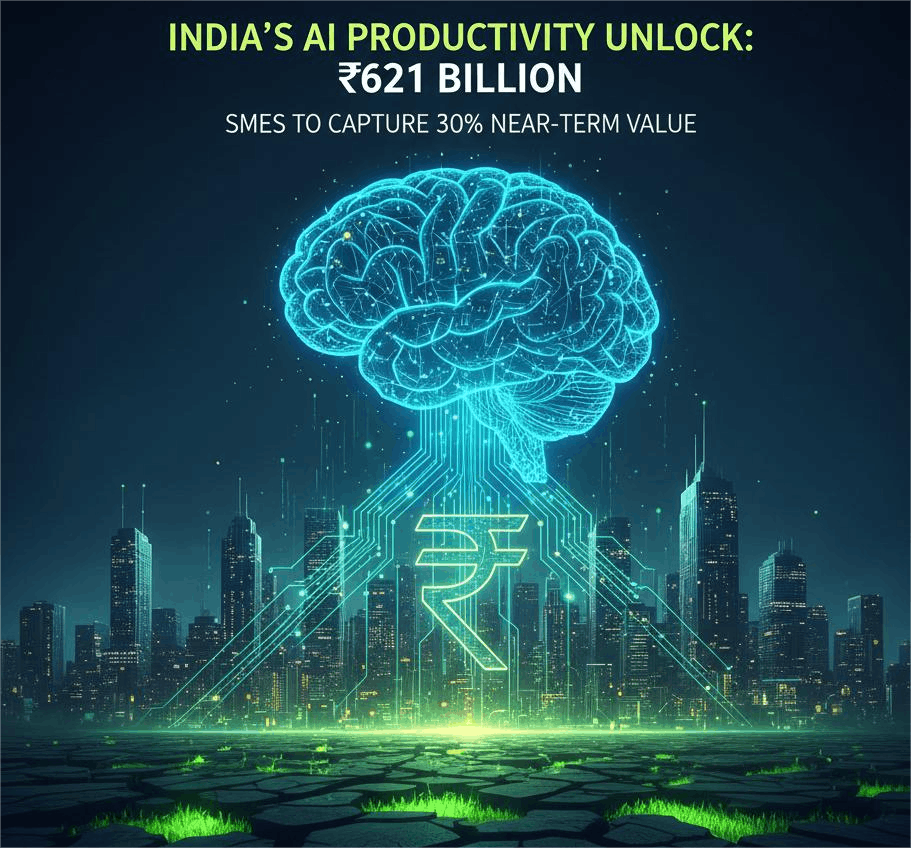
The opportunity is real–and imminent.
But capturing it will depend on more than tools or intent.
Ecosystems, Not Tools, Will Decide the Next Wave of Scalable Founders
Founders who begin their journey within the right ecosystem–one that integrates capital, capability, and connection–will be best positioned to scale sustainably.
India's entrepreneurship wave is undeniable. What remains in short supply are founder-first ecosystems designed for long-term resilience, not just rapid acceleration.
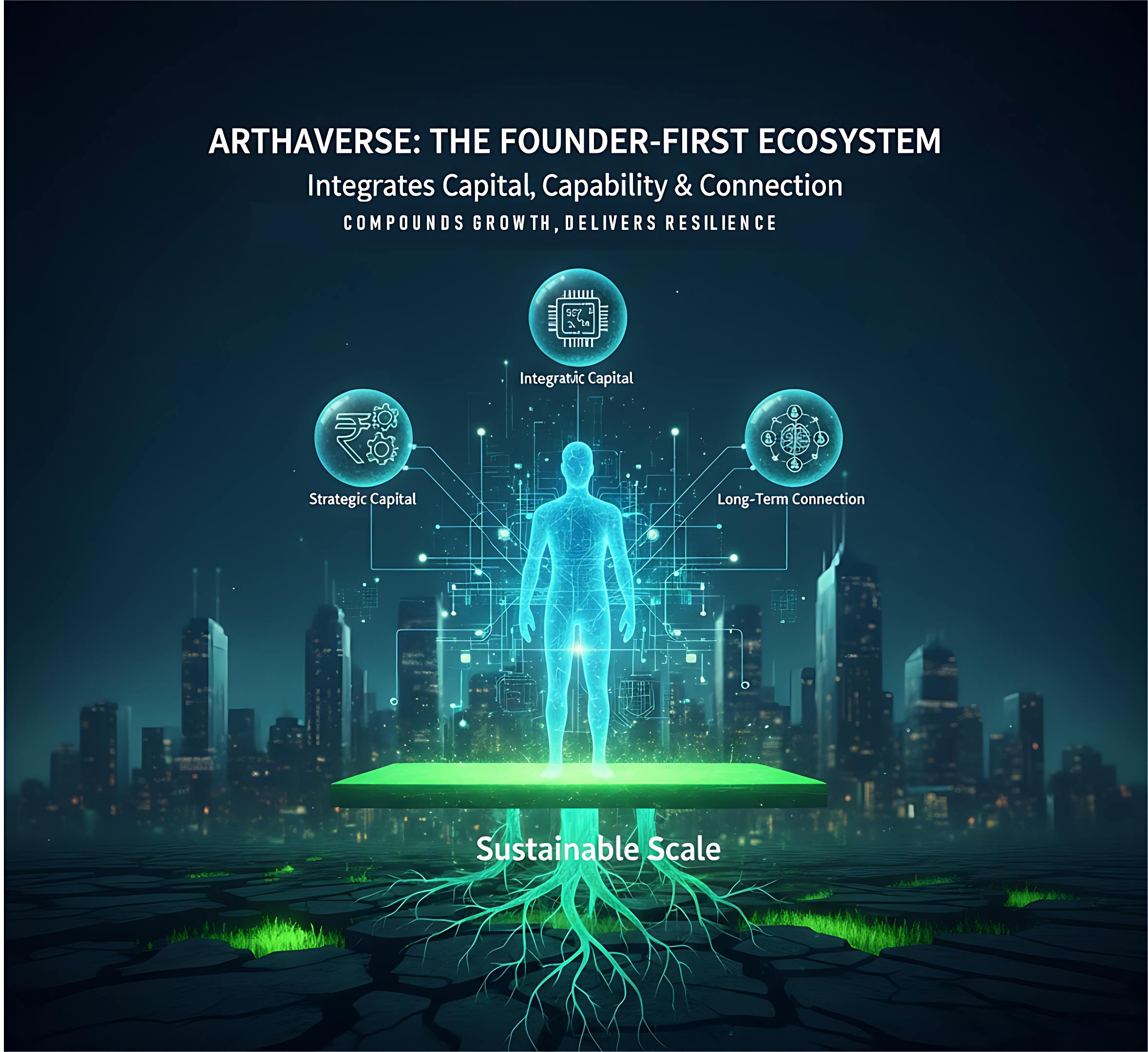
At ArthaVerse, our work is grounded in a simple belief: Founders don't need more tools. They need systems and ecosystems that compound growth over time.