
In every organisation I have worked with–across government, technology, and institutional reform–the most underestimated asset has never been capital, infrastructure, or even technology. It has been KNOWLEDGE.

Not Information. Not Data.
But structured, shareable, and actionable knowledge.
When organisations fail to treat knowledge as a strategic asset, they repeat the same mistakes, lose critical expertise, and develop operational blind spots that quietly drain efficiency, trust, and long-term value. I learned this lesson the hard way–while working on one of India's most ambitious governance transformations.
Why Knowledge Management Is the Most Undervalued Organisational Asset
Knowledge Management is often misunderstood as a software problem. Organisations invest in portals, repositories, and dashboards, assuming adoption will follow automatically.
It doesn't.
Without the right incentives, behaviour, and leadership intent, Knowledge Management Systems (KMS) fail silently- even when the technology works perfectly.

This reality became clear to me in 2016, during my tenure with the Digital India Program, when I led the implementation of one of the India's first large-scale Knowledge Management systems for governance.
The Early Failure of Knowledge Management in Government
The original vision was ambitious and well intentioned:
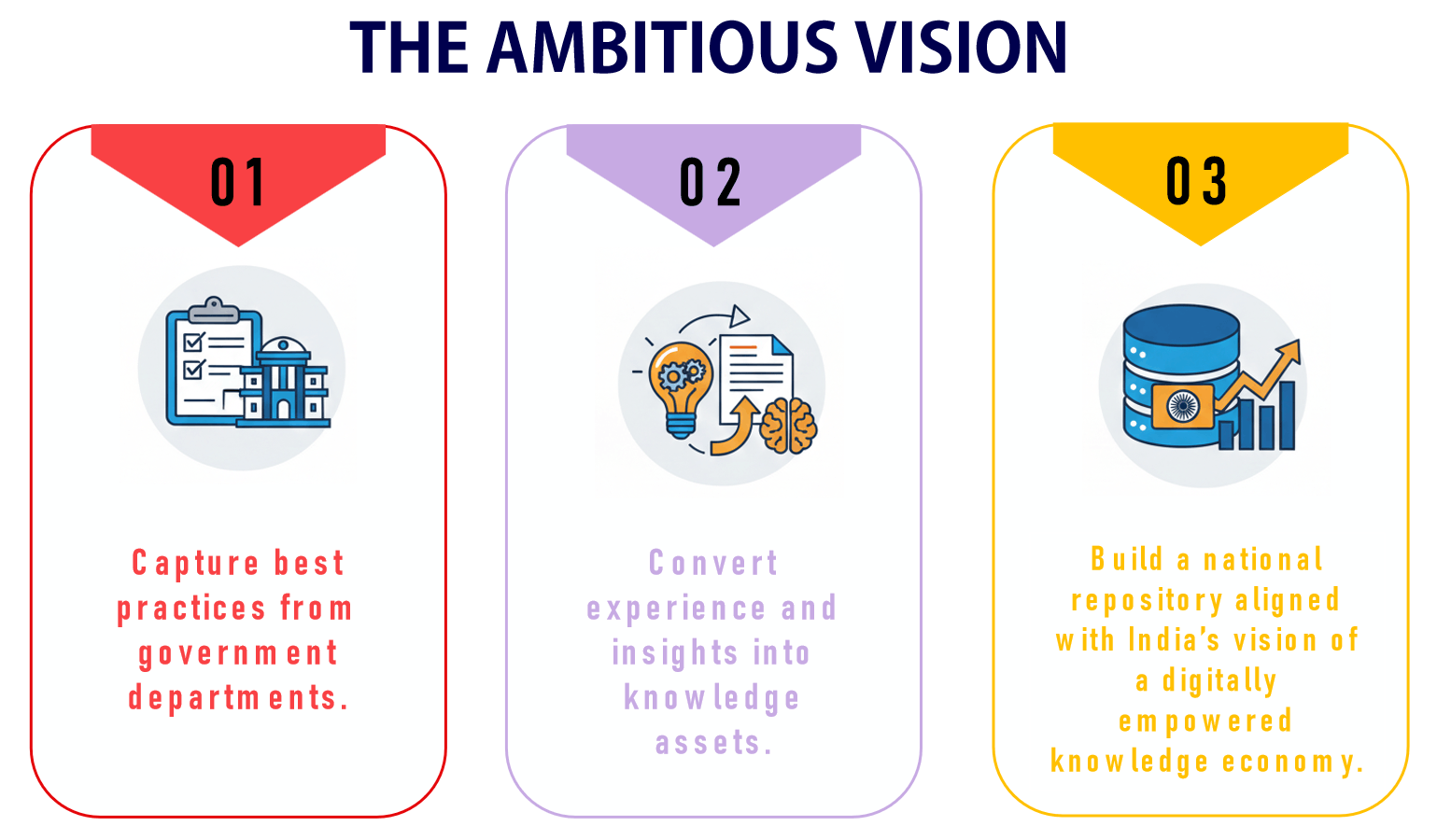
Earlier E-governance frameworks had already established that governance succeeds only when knowledge is consistently disseminated, updated, and applied across teams and regions.
We build a robust IT system for knowledge sharing and NO ONE USED IT.
The failure cost time, money, and institutional confidence. More importantly, it exposed a critical blind spot–one that many organisations, public and private, continue to overlook.
Why People Resist Knowledge Sharing in Organisations
In government systems and in many private organisations, what I did not account for were the social and organisational realities.
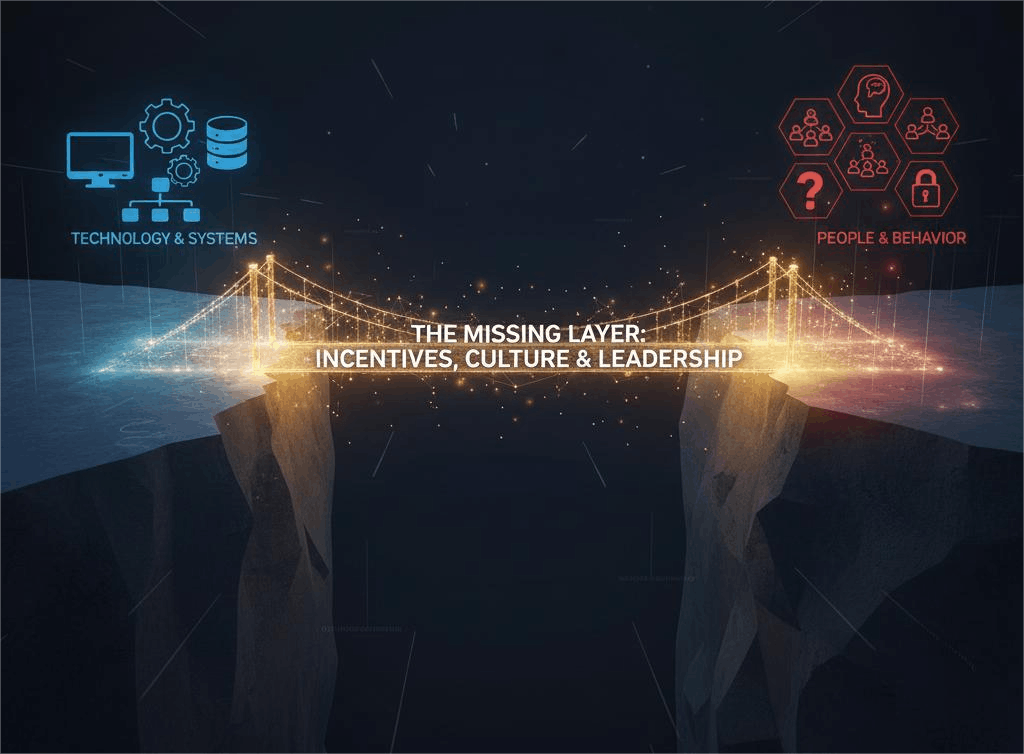
1. In government, knowledge is personal power.
2. Sharing it feels like losing importance.
3. People fear replacement more than inefficiency.
4. Transfers break continuity, so officers hold on to knowledge for survival.
The portal, the workflows, the taxonomies, and the review components, meticulously laid out in the KMS implementation ecosystem, did not translate into behavioural change. This early failure became one of the most defining learnings of my professional life.
Knowledge Management Requires Change Management–Not just Technology
After conducting a rigorous root-cause analysis, I realised that the quality of knowledge-sharing systems fail when they ignore human incentives. To rebuild the project, I shifted the strategy from system deployment to change management:
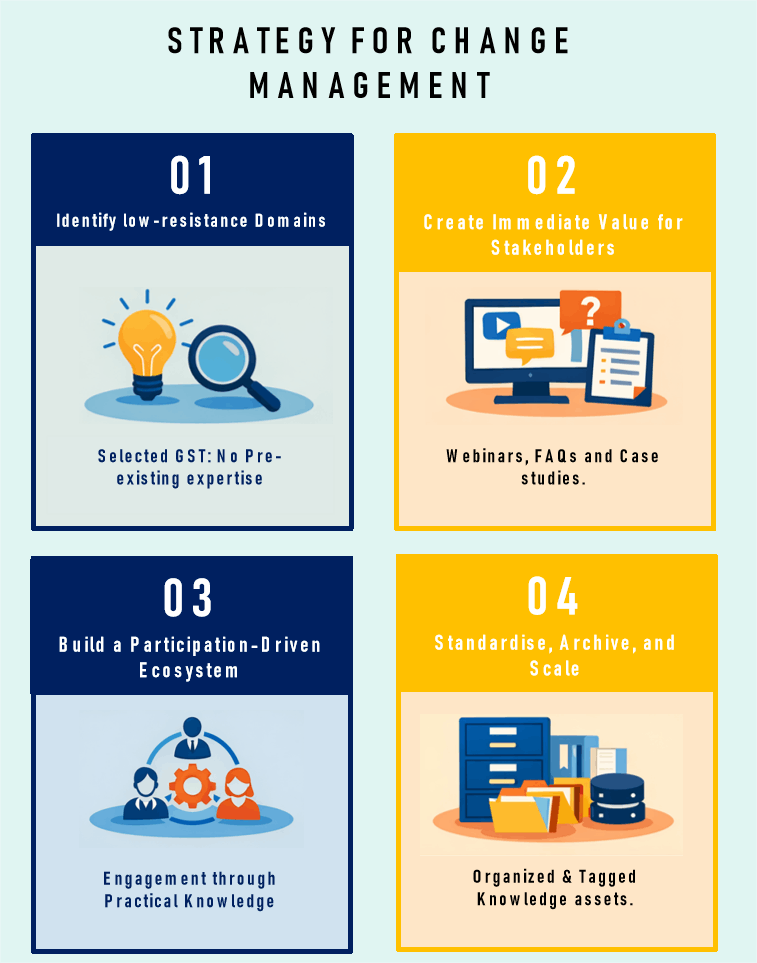
1. Identify Low-Resistance Domains
We selected GST–a domain where no officer had pre-existing expertise, eliminating the fear of losing positional advantage.
2. Create Immediate Value for Stakeholders
Instead of expecting contributions, we began by offering high-quality learning resources–webinars, FAQs, case material, and domain updates.
3. Build a Participation-Driven Ecosystem
Over time, officers participated not because they were compelled, but because the knowledge added direct value to their day-to-day decision-making.
4. Standardise, Archive, and Scale
In the GST Success story, knowledge assets were organised, tagged, and disseminated using structured workflows, heuristics, and content taxonomies to ensure long-term usability.
GST Implementation: From Knowledge Failure to National Success
The GST Implementation in India in 2017 became one of the most recognised success stories in the government ecosystem, earning national appreciation and awards, with:
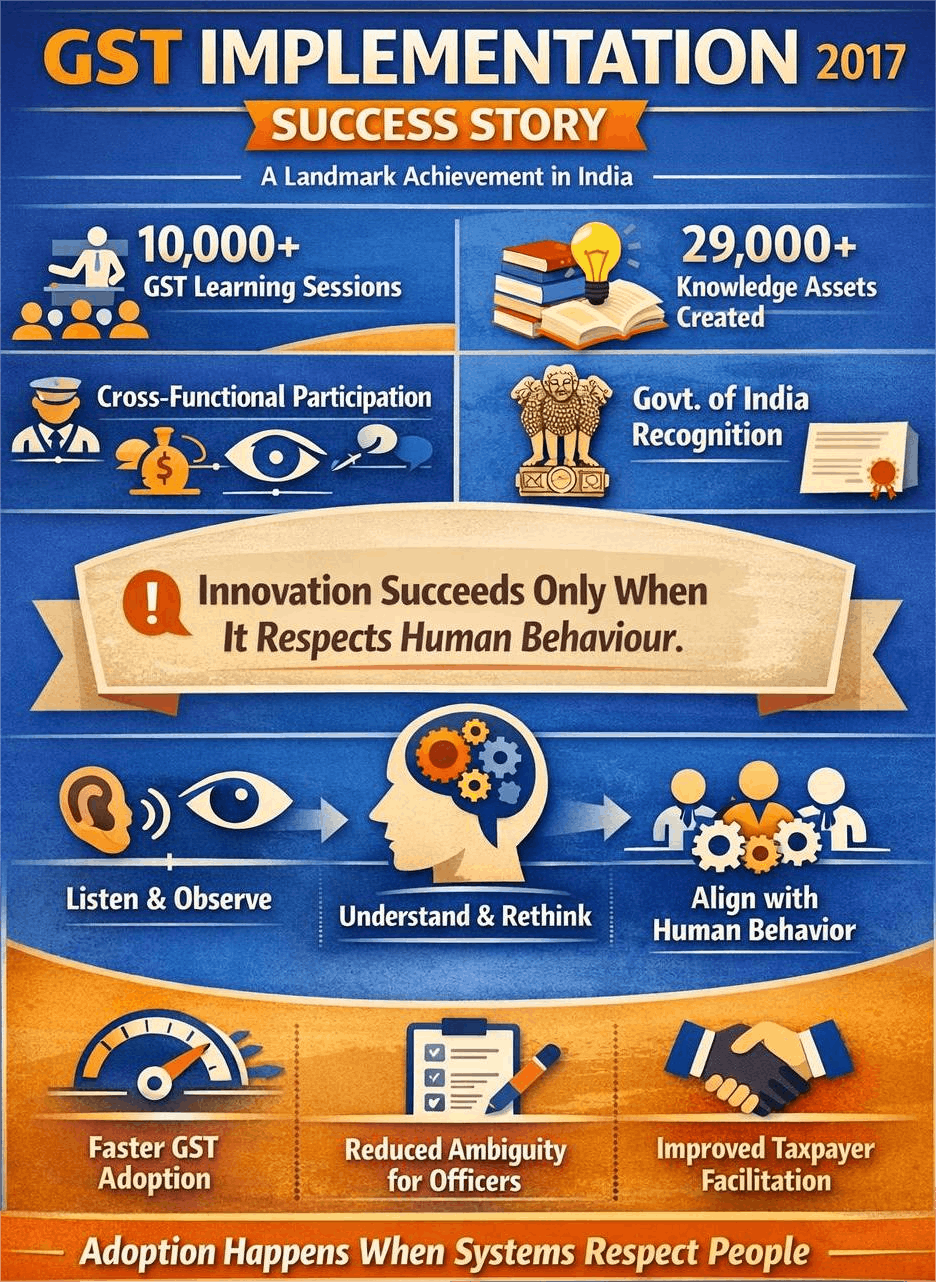
And understanding behaviour requires listening, observing, and rethinking–not rushing.
Most importantly, knowledge dissemination directly contributed to faster GST adoption, reduced ambiguity for officers, and improved taxpayer facilitation across the country.
Adoption follows naturally when systems align with human behaviour.
What Businesses Can Learn from India's GST Knowledge Model
While my work was in governance, the lessons apply directly to enterprises, manufacturing firms, tech companies, consulting organisations, and any business with distributed teams.
1. Knowledge loss is an invisible operational cost:
Every time an experienced employee moves out, organisations lose years of tacit expertise. Tacit knowledge is difficult but critical to capture–it holds insights about processes, risks, and judgement calls that cannot be replaced by documents alone.
2. KM Systems fail when they threaten employee security
If knowledge-sharing reduces an employee's perceived importance, they will naturally resist it. This is where leadership must intervene.
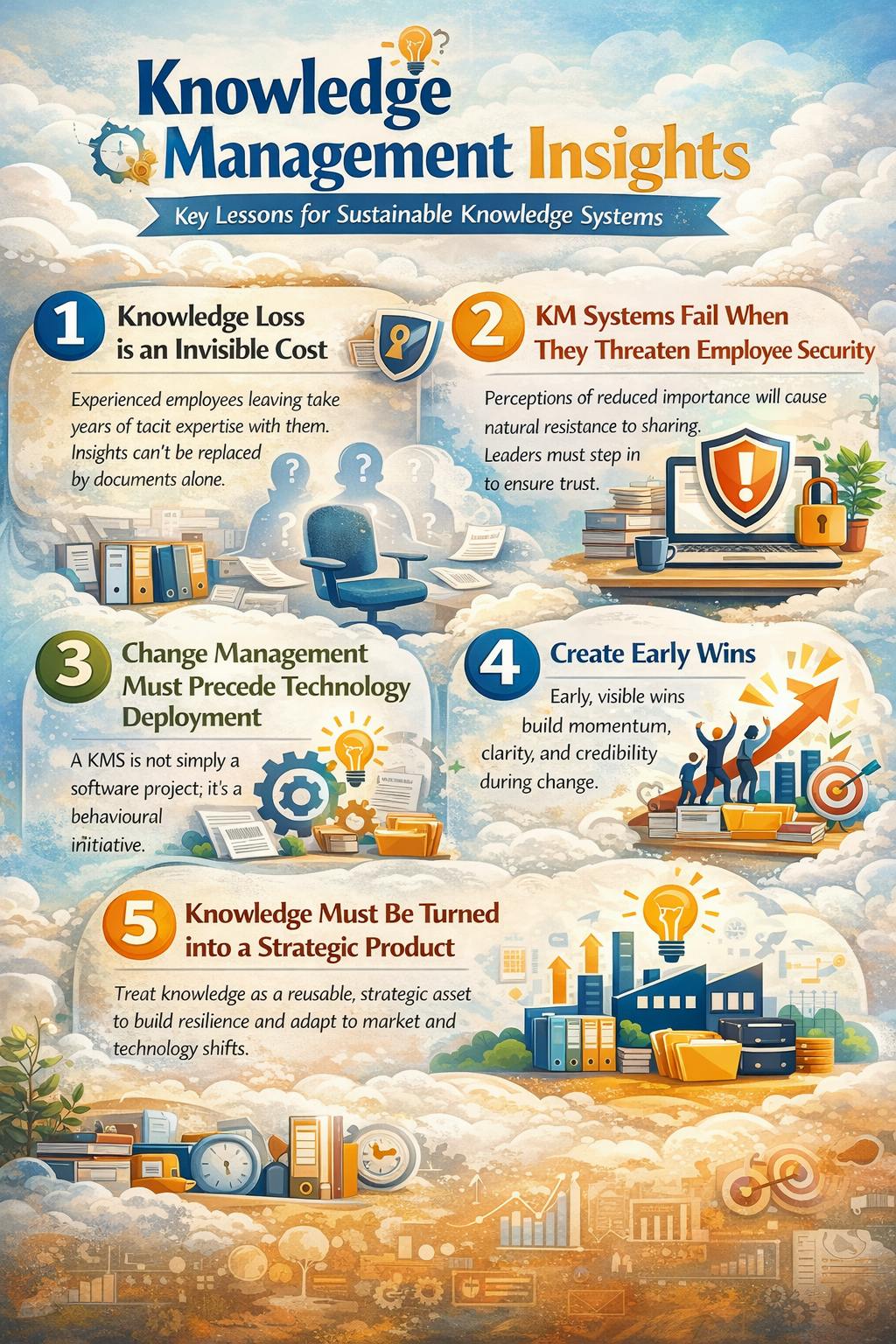
3. Change Management must precede technology deployment
A KMS is not a software project. It is a behavioural transformation initiative.
4. Create early wins
The GST project succeeded because it offered immediate value: clarity, consistency, and reduced confusion during a national tax transition.
5. Knowledge must be turned into a strategic product
When organisations treat knowledge as a reusable asset, the build resilience that survives attrition, market variability, and technology shifts.
Why Organisations Need Platforms like ArthaVerse
Today, as businesses navigate AI, digital transformation, compliance pressures, and rapid market shifts, the require experts who can translate complex systems into actionable business strategies.
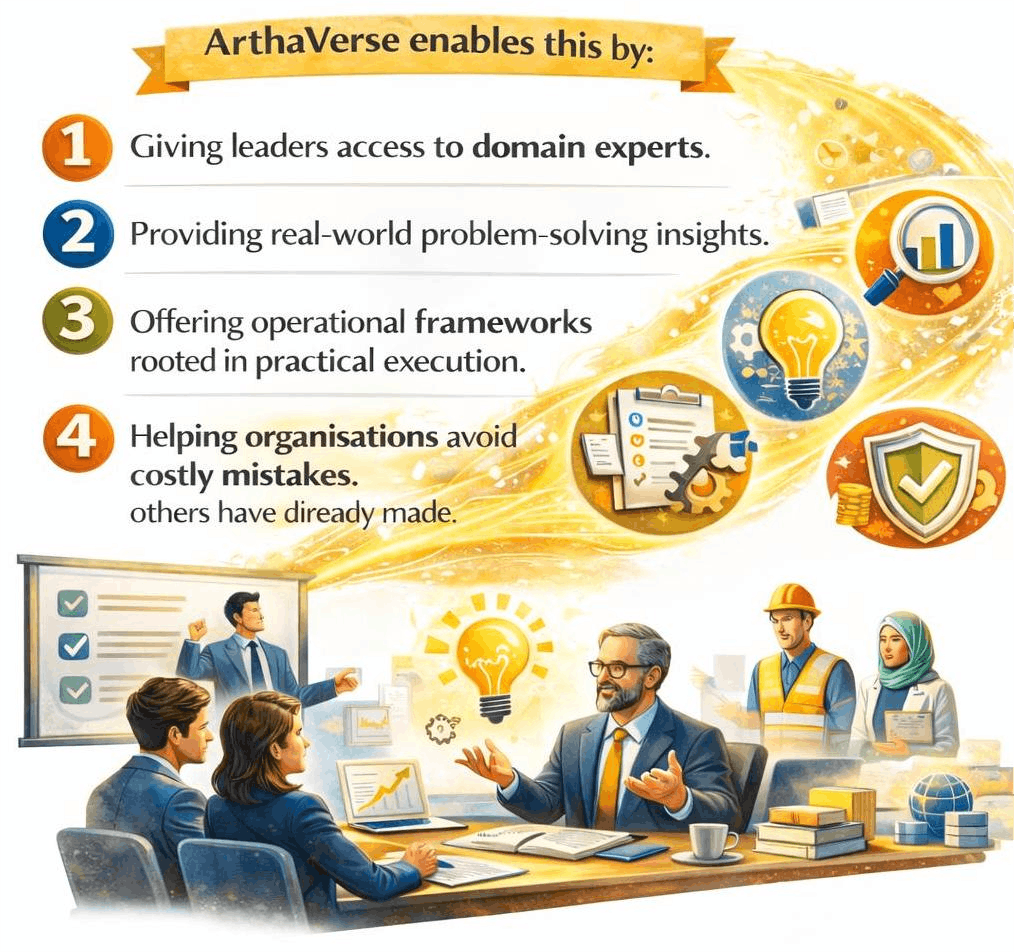
ArthaVerse enables this by:
1. Giving leaders access to domain experts.
2. Providing real-world problem-solving insights.
3. Offering operational frameworks rooted in practical execution.
4. Helping organisations avoid the costly mistakes others have already made.
Every company, regardless of size, can reduce risk and improve decision-making by leveraging expert knowledge before problems scale.
My Journey with Knowledge Management taught me this above all:
Transformation begins when organisations stop treating knowledge as personal power and start treating it as a shared organisational capability.
That shift- more than any technology-creates lasting impact.

