
Key Takeaway
- An end-to-end marketing engine connects lead generation, AI, CRM, automation, and customer retention into one unified system that improves every stage of the customer journey.
- Building a marketing engine in four stages helps SMEs generate qualified leads, nurture prospects, increase conversions, and maximize customer lifetime value.
- By combining performance marketing, AI agents, CRM, and WhatsApp engagement, SMEs can create a scalable marketing ecosystem that drives sustainable business growth.
Indian SMEs are embracing digital faster than ever, but many still struggle to generate consistent leads and turn marketing efforts into measurable growth. Disconnected tools, manual follow-ups, and scattered customer data often prevent businesses from building an efficient marketing system.
The opportunity is significant. India has more than 63 million MSMEs, contributing over 40% of the country's exports. Digital adoption is growing three times faster than the national average, yet 80% of MSMEs still lack a dedicated digital strategy, according to the Confederation of Indian Industry (CII). As a result, many businesses invest in websites, social media, and paid advertising without connecting them into a single customer journey.
This is where an end-to-end marketing engine makes the difference. By bringing together lead generation, AI-powered customer engagement, marketing automation, sales, and analytics, businesses can create a connected system that attracts, converts, and retains customers more efficiently. In this guide, you'll learn how Indian SMEs can build a scalable marketing engine for sustainable growth in 2026.
What Is an End-to-End Marketing Engine?
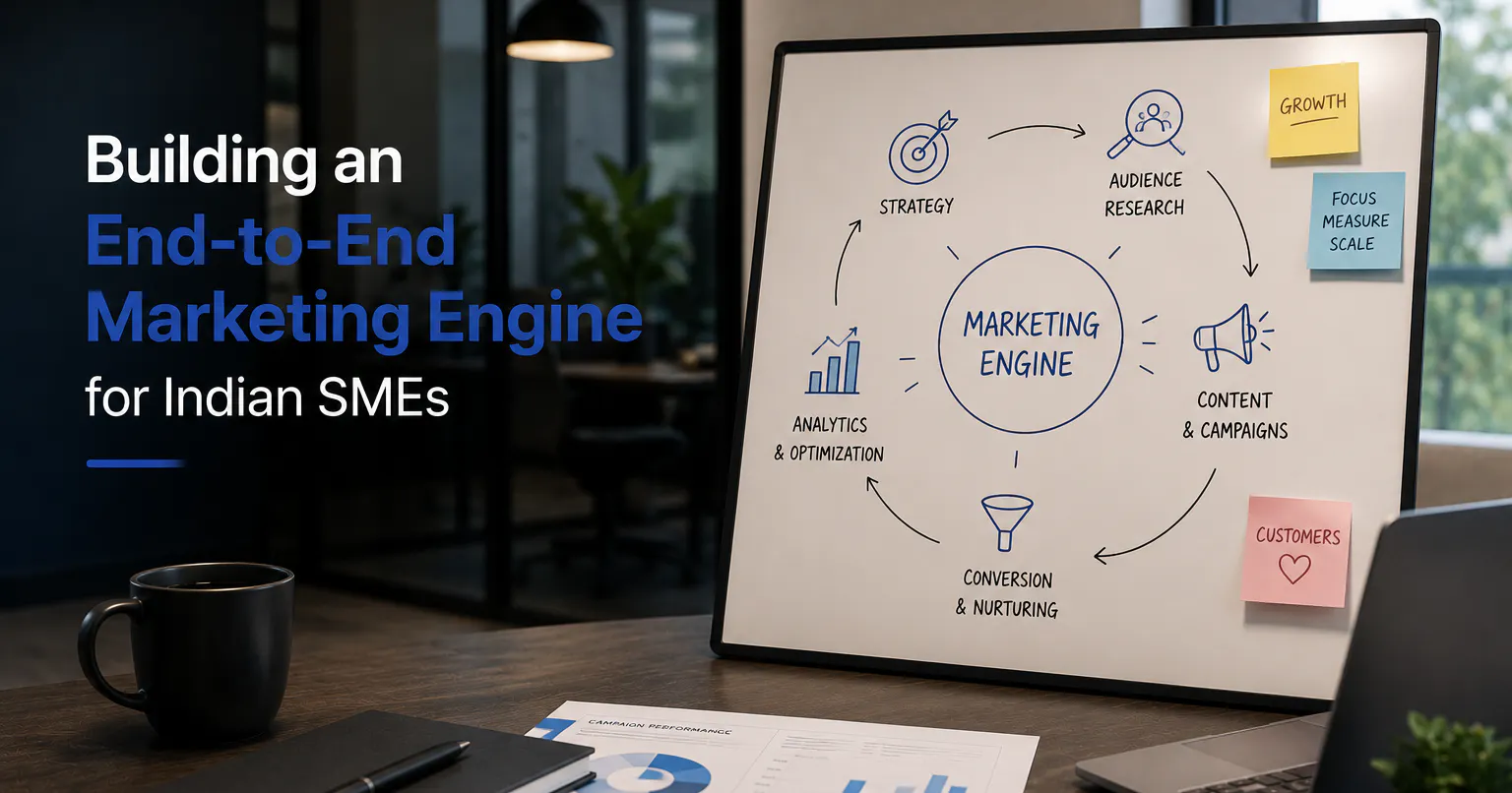
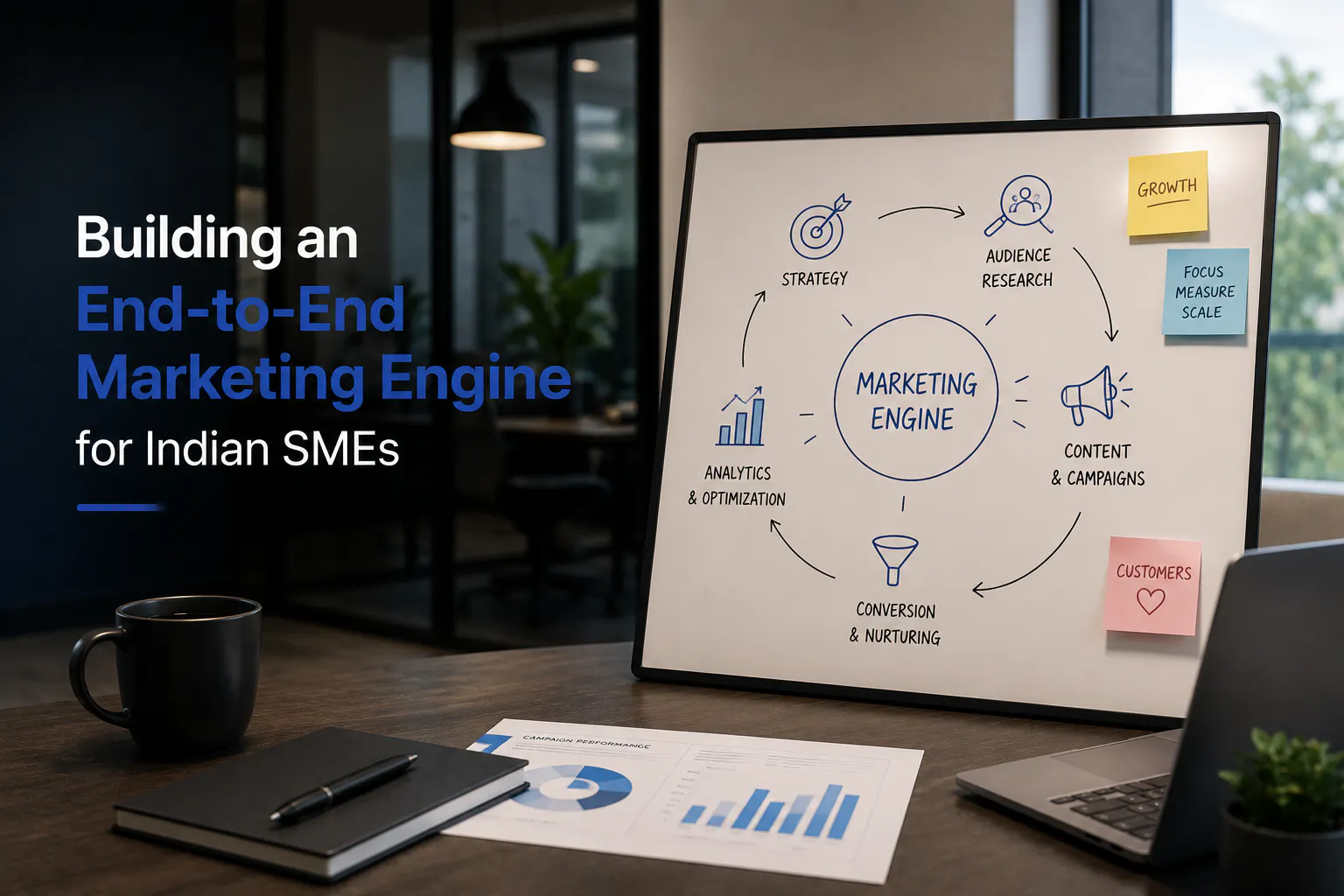
An end-to-end marketing engine is a connected system that manages the entire customer journey, from attracting potential customers to converting, retaining, and growing them. Instead of relying on separate tools and manual processes, it integrates marketing, sales, customer support, automation, and analytics into a single workflow.
For SMEs, this means every customer interaction is connected. A visitor can discover your business through search or social media, engage with an AI agent, be automatically qualified and added to your CRM, receive personalized follow ups, convert into a customer, and continue receiving support and retention campaigns, all within one integrated marketing ecosystem.
How to Build an End-to-End Marketing Engine in 4 Stages
Building an end-to-end marketing engine doesn't require implementing every tool at once. The most successful SMEs build their marketing ecosystem in stages, ensuring each phase supports the next and creates a seamless customer journey.
Stage 1: Build Your Lead Generation Foundation
Every marketing engine starts with attracting the right audience. Before investing in automation or AI, establish a strong digital presence that consistently generates qualified leads through both organic and paid channels.
Focus areas
- Google Business Profile
- Website and landing pages
- SEO and GEO
- Google Ads
- Meta Ads
- Content marketing
Goal: Generate qualified traffic and capture enquiries.
Stage 2: Engage and Nurture Every Lead
Once visitors enter your ecosystem, engage them immediately instead of making them wait for a callback. AI agents, WhatsApp, and marketing automation help answer questions, qualify leads, and keep prospects moving through the buying journey.
Focus areas
- AI agents
- WhatsApp Business
- Email automation
- Lead nurturing
- Appointment booking
- Personalized follow ups
Goal: Turn enquiries into sales ready leads.
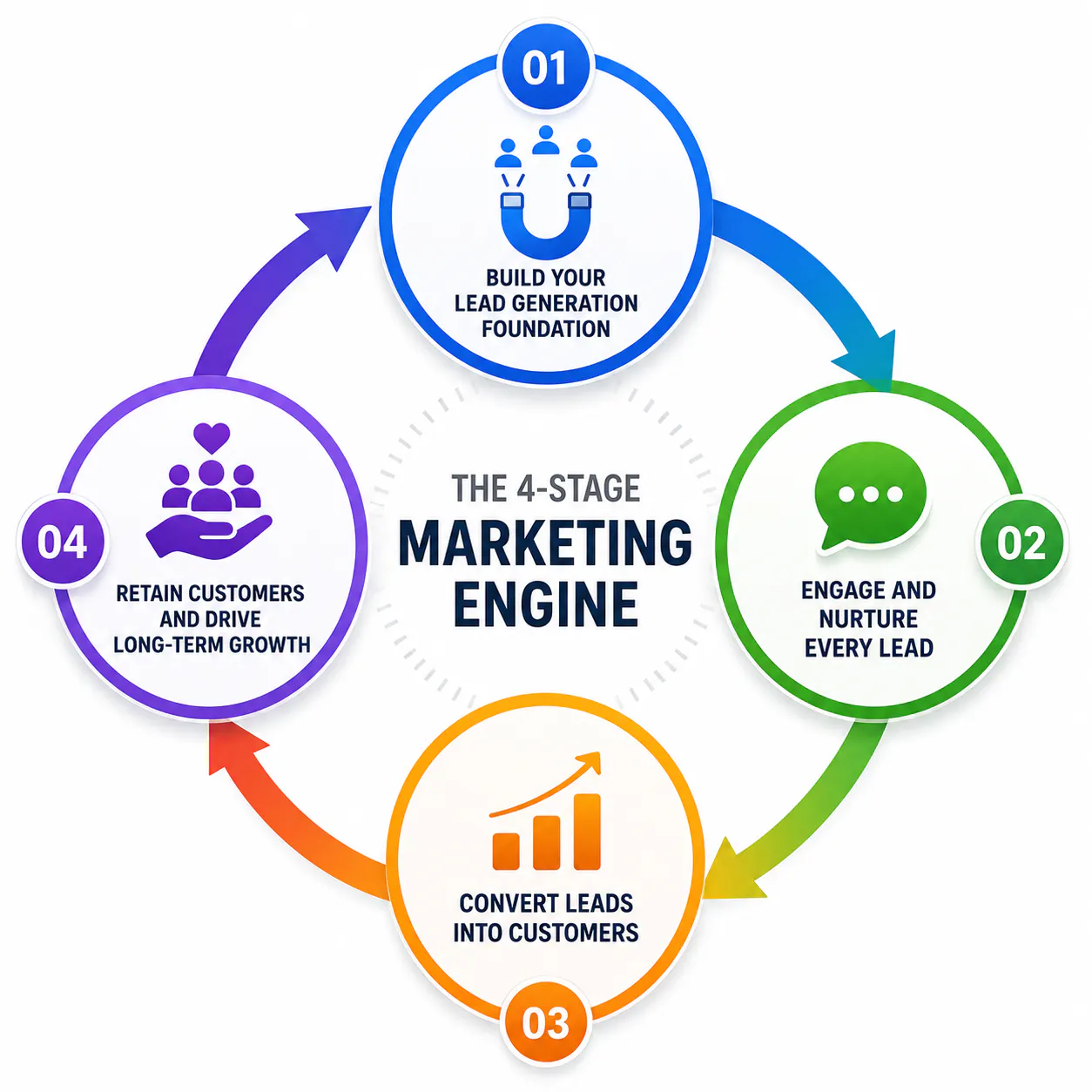
Stage 3: Convert Leads Into Customers
A CRM becomes the central hub for managing opportunities. Every enquiry is tracked, assigned, and followed up automatically, giving sales teams complete visibility into the customer journey.
Focus areas
- CRM
- Lead scoring
- Sales pipeline
- Proposal management
- Sales automation
- Workflow automation
Goal: Increase conversion rates while reducing manual work.
Stage 4: Retain Customers and Drive Long-Term Growth
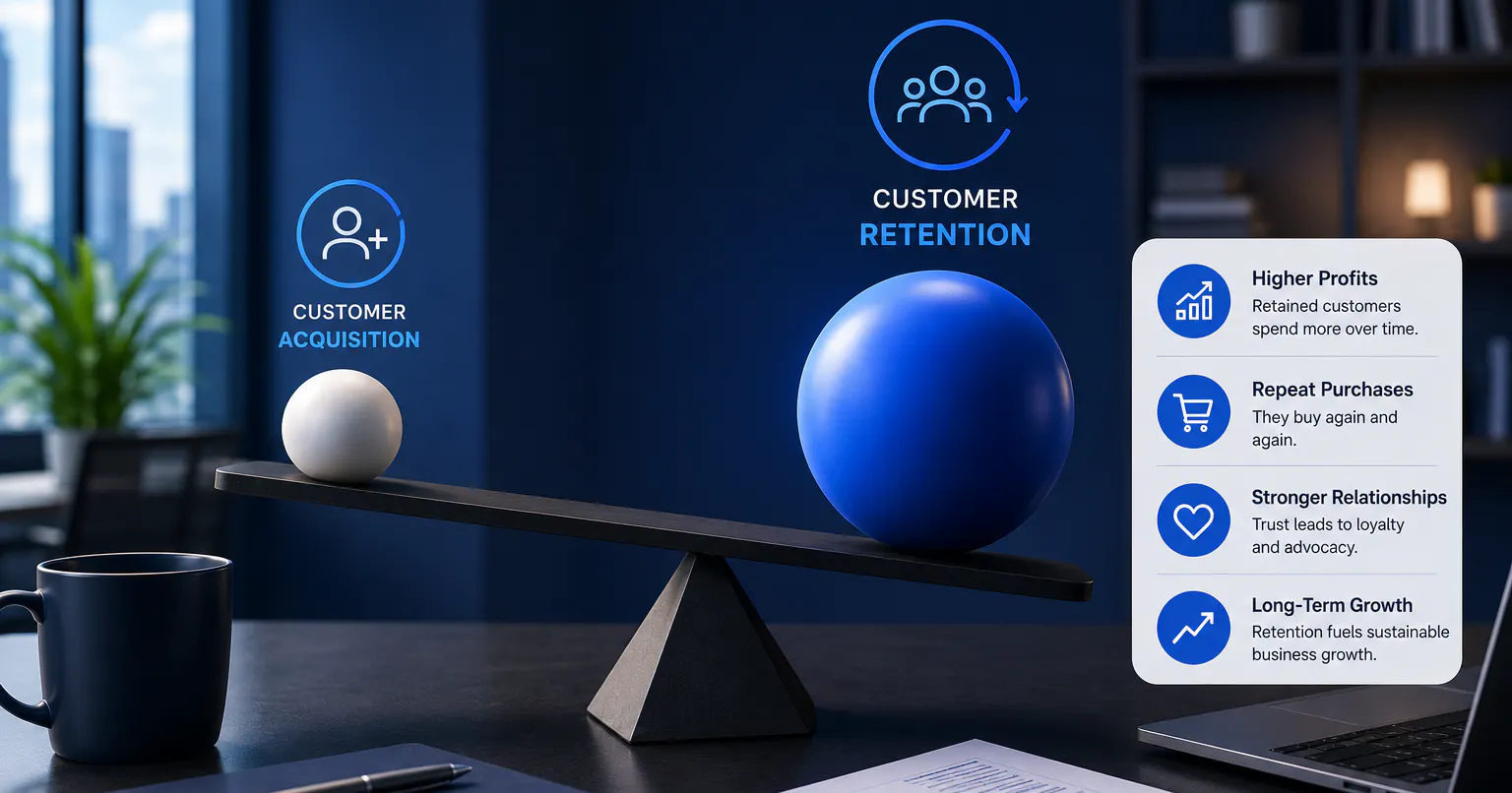
The marketing engine doesn't stop after the first sale. Retention strategies help businesses increase customer lifetime value through ongoing engagement, loyalty programs, referrals, and personalized communication.
Focus areas
- WhatsApp campaigns
- Email newsletters
- Loyalty programs
- Referral marketing
- Customer feedback
- Upselling and cross selling
Goal: Increase repeat business, referrals, and customer lifetime value.
How ArthaVerse Helps SMEs Build an End-to-End Marketing Engine
A successful marketing engine depends on more than generating leads. Businesses need the right technology to engage prospects, convert opportunities, and retain customers long after the first sale. ArthaVerse provides integrated solutions that support every stage of this journey, helping SMEs grow through one connected ecosystem.
ArthaVerse solutions include:
- ArthaGPT AI Agent – Engage website visitors instantly, answer enquiries, qualify leads, schedule appointments, and provide 24/7 conversational support without manual intervention.
- CRM and Lead Management – Streamline your sales process with a centralized CRM and lead management platform that captures leads from multiple channels, organizes every interaction, and tracks opportunities through your sales pipeline to close deals faster.
- Performance Marketing – Drive qualified traffic through targeted digital campaigns, optimize advertising spend, and generate measurable business growth across search and social platforms.
- WhatsApp Based Loyalty Programs – Build long-term customer relationships with a personalized WhatsApp-based loyalty program that offers loyalty rewards, exclusive offers, referral programs, and automated post-purchase engagement to encourage repeat business.
Together, these solutions help SMEs create a seamless customer journey, improve lead conversions, strengthen customer relationships, and build a scalable marketing engine for long term growth.
Conclusion
The future of marketing is not about using more tools. It is about connecting them into one system that works together. For Indian SMEs, sustainable growth comes from creating a seamless customer journey where every interaction, from the first website visit to repeat purchases, is tracked, personalized, and optimized.
An end to end marketing engine enables businesses to replace fragmented processes with a unified approach that combines lead generation, AI powered engagement, CRM, automation, and customer retention. The result is faster response times, higher conversion rates, stronger customer relationships, and a marketing system that becomes more efficient as the business grows.
As customer expectations continue to rise and competition intensifies, SMEs that invest in an integrated marketing ecosystem today will be better equipped to scale efficiently, make smarter decisions with data, and build a lasting competitive advantage in the years ahead.