
Key Takeaway
- A customer journey framework helps businesses understand every interaction customers have with their brand, from awareness to advocacy, improving customer experience and conversions.
- Mapping the five customer journey stages and optimizing every touchpoint enables businesses to reduce friction, increase customer satisfaction, and strengthen long term loyalty.
- Using integrated solutions such as CRM, AI agents, performance marketing, and WhatsApp engagement allows SMEs to manage the complete customer journey more efficiently and drive sustainable growth.
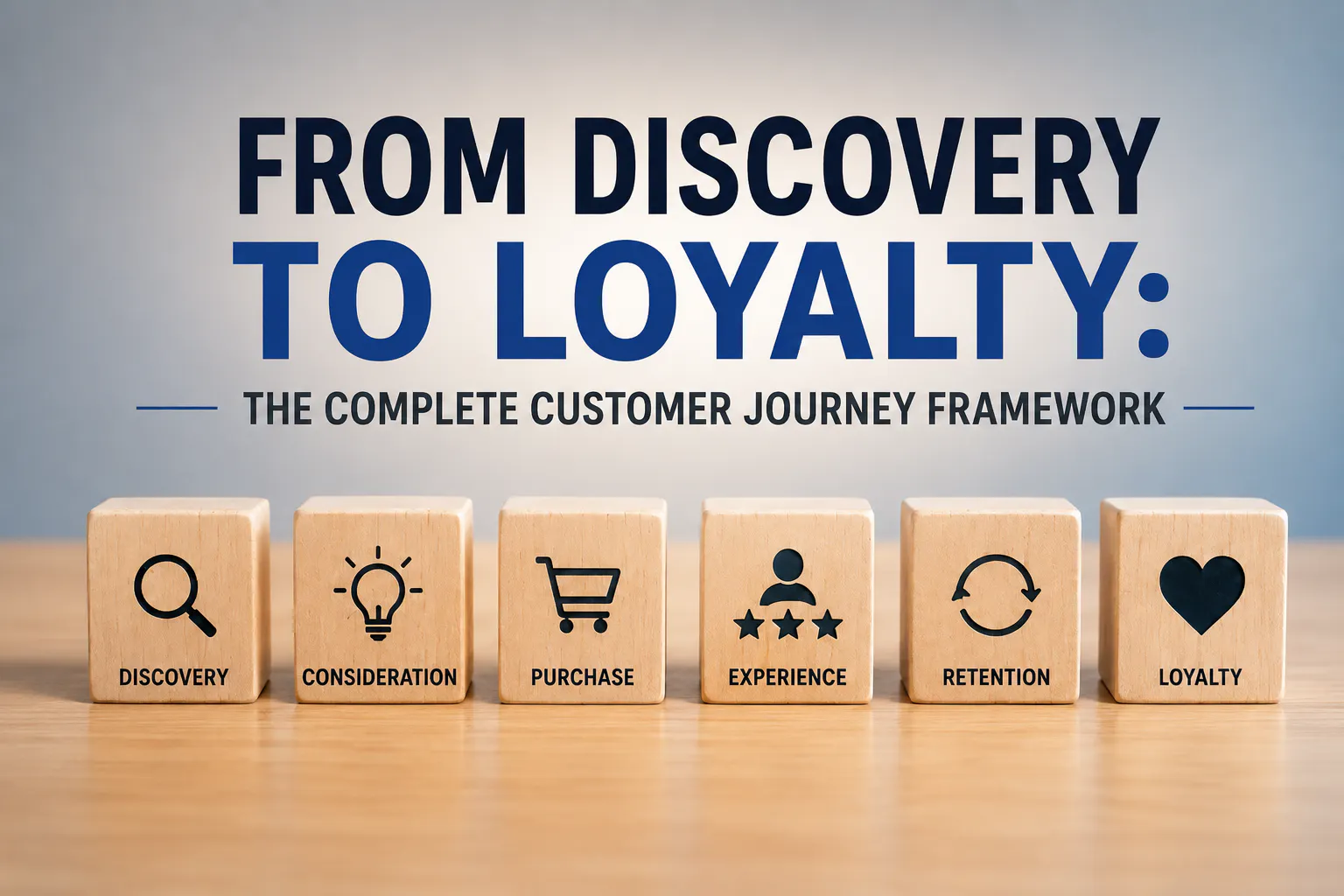
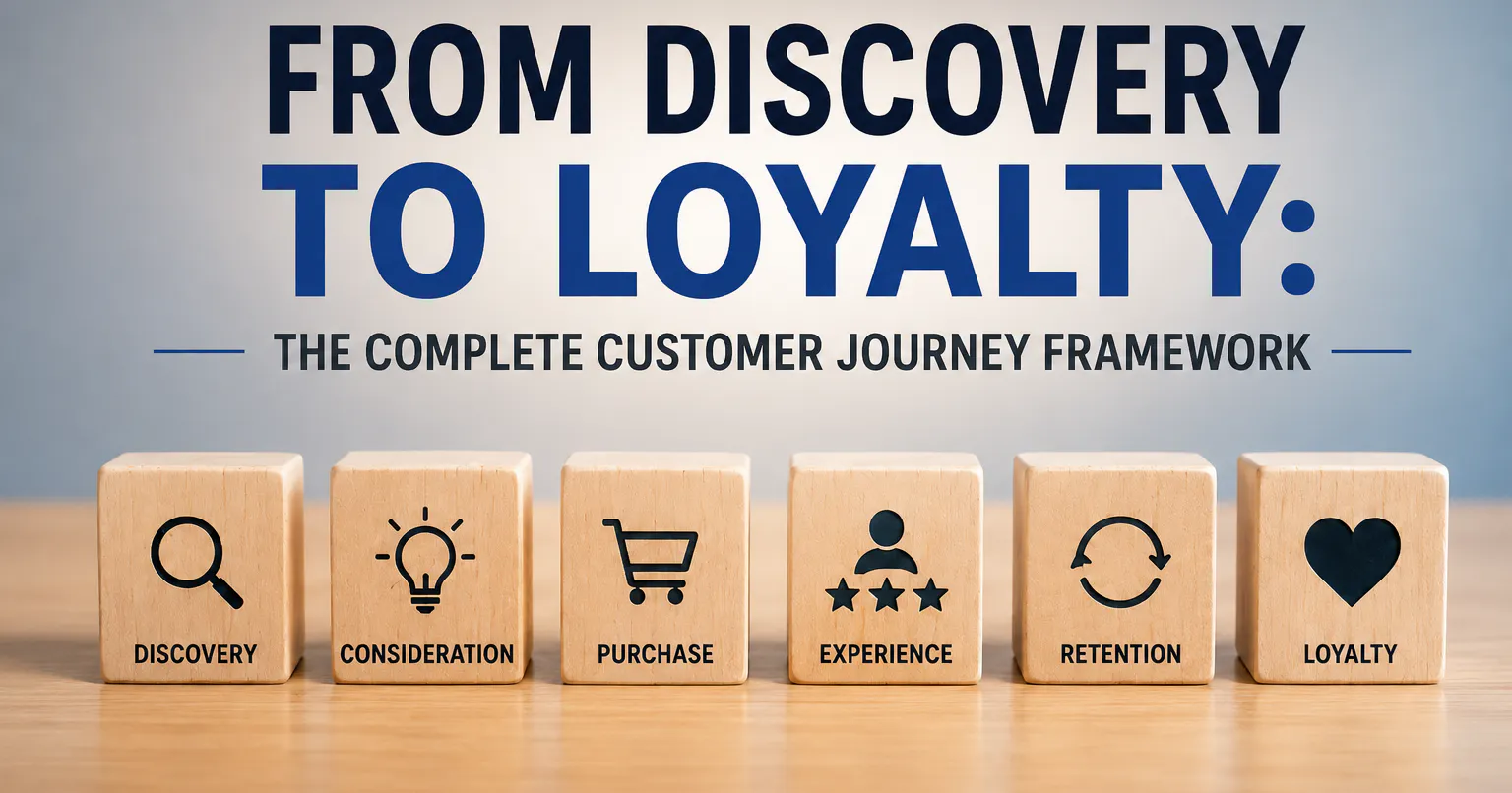
People don't discover a business by accident. They move through a series of interactions that shape whether they trust your brand, make a purchase, or choose a competitor instead. From the first Google search to a website visit, a WhatsApp conversation, and post-purchase support, every touchpoint influences the customer's decision.
Research by Salesforce shows that 88% of customers say the experience a company provides is just as important as its products or services. Businesses that understand and optimize each stage of the customer journey are better positioned to attract qualified leads, improve conversions, and build long-term customer loyalty.
In this guide, we'll explore the complete customer journey framework, its key stages, and how businesses can create seamless experiences that turn first-time visitors into loyal customers.
What Is a Customer Journey Framework?
A customer journey framework is a structured model that outlines every stage a customer goes through when interacting with a business, from first discovering the brand to becoming a loyal advocate. It helps businesses understand customer behavior, optimize every touchpoint, and deliver a consistent experience throughout the entire buying journey.
Key Components of a Customer Journey Map
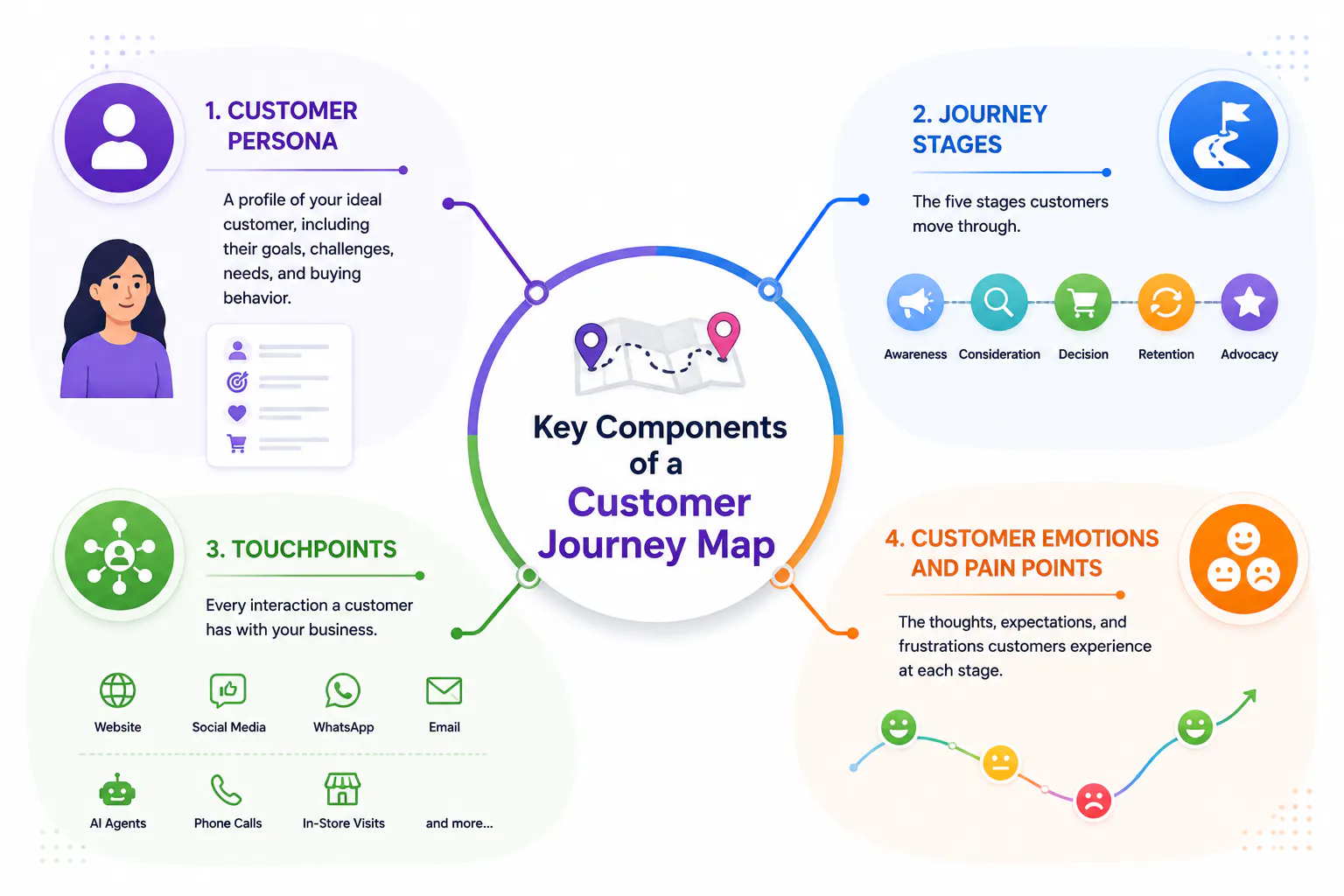
A customer journey map consists of four core components that help businesses understand and improve every customer interaction.
- Customer Persona – A profile of your ideal customer, including their goals, challenges, needs, and buying behavior.
- Journey Stages – The five stages customers move through: Awareness, Consideration, Decision, Retention, and Advocacy.
- Touchpoints – Every interaction a customer has with your business, such as your website, social media, WhatsApp, email, AI agents, phone calls, or in-store visits.
- Customer Emotions and Pain Points – The thoughts, expectations, and frustrations customers experience at each stage, helping businesses identify opportunities to improve the overall experience
The 5 Stages of the Customer Journey Framework
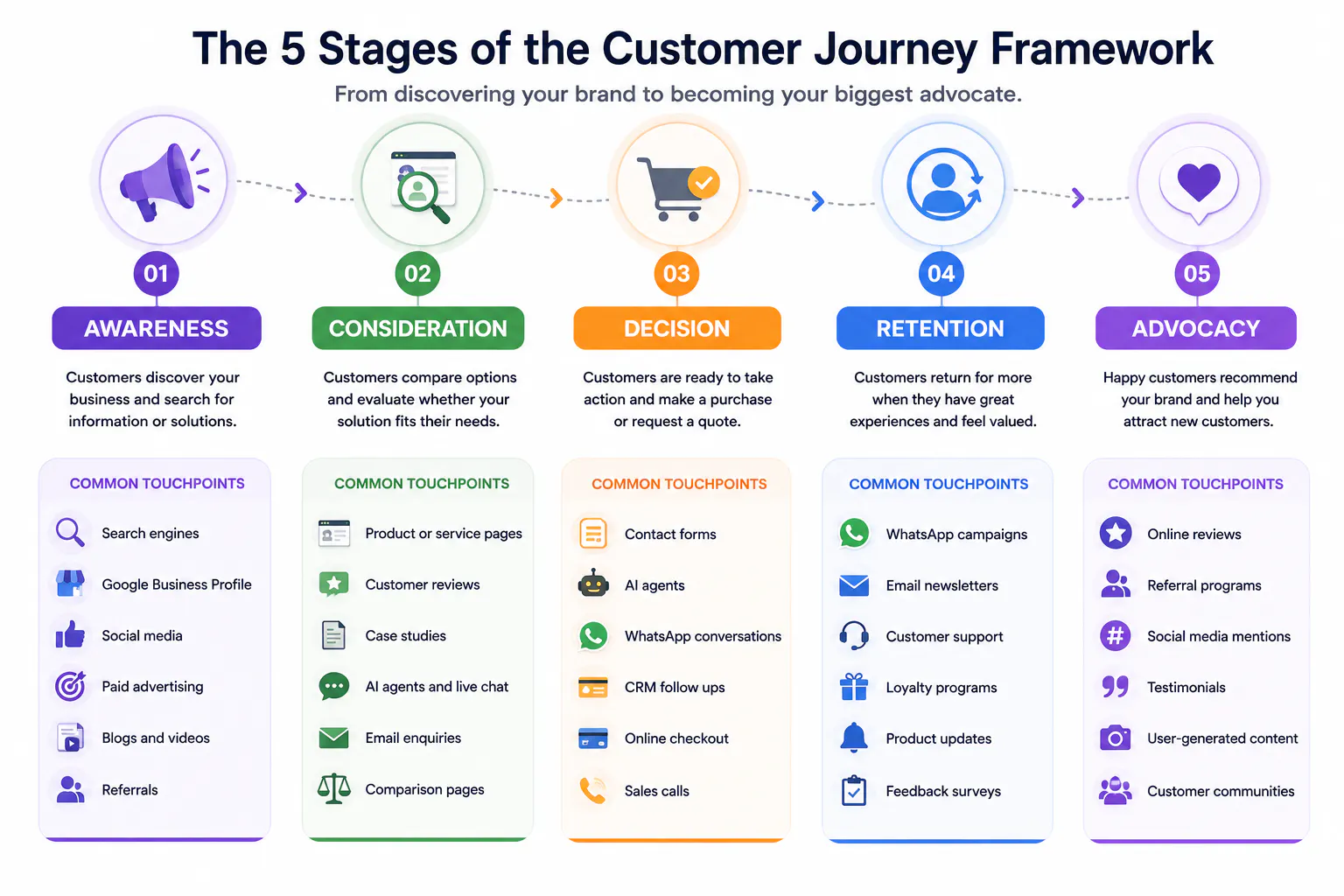
Every customer follows a path before becoming a loyal supporter of your brand. They first discover your business, evaluate their options, make a buying decision, and decide whether your business is worth returning to. Businesses that understand this journey can remove friction, personalize interactions, and create experiences that not only increase conversions but also encourage repeat purchases and referrals. The customer journey can be broken down into five essential stages, and they are:
- Awareness
- Consideration
- Decision
- Retention
- Advocacy
1. Awareness
The awareness stage is where potential customers first discover your business. This interaction may happen through Google Search, social media, paid advertising, referrals, online reviews, or content marketing. At this point, customers are looking for information or solutions rather than a specific brand. The objective is to build visibility, create a strong first impression, and attract qualified prospects who are likely to become customers.
Common touchpoints
- Search engines
- Google Business Profile
- Social media
- Paid advertising
- Blogs and videos
- Referrals
2. Consideration
Once customers know your business exists, they begin comparing it with other options. They evaluate your products or services, read customer reviews, visit your website, explore pricing, and assess whether your solution fits their requirements. Businesses that provide helpful information, answer questions quickly, and demonstrate credibility are more likely to move prospects to the next stage.
Common touchpoints
- Product or service pages
- Customer reviews
- Case studies
- AI agents and live chat
- Email enquiries
- Comparison pages
3. Decision
During the decision stage, customers are ready to take action. They may request a quotation, book a consultation, contact your sales team, or complete a purchase. A simple buying process, quick responses, transparent pricing, and personalized support reduce friction and improve conversion rates.
Common touchpoints
- Contact forms
- AI agents
- WhatsApp conversations
- CRM follow ups
- Online checkout
- Sales calls
4. Retention
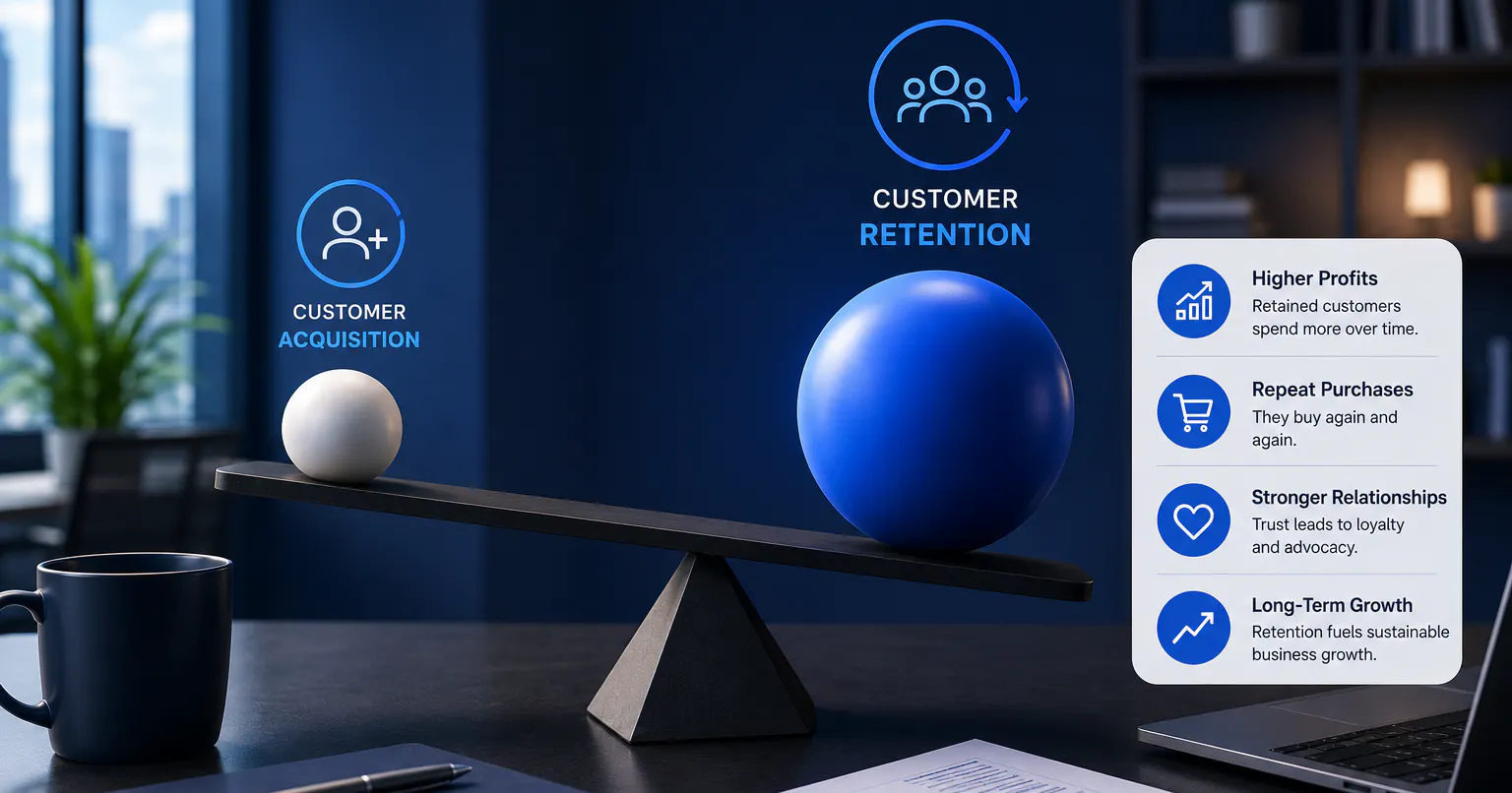
The customer journey continues after the first purchase. Retention focuses on maintaining relationships through excellent customer service, regular communication, personalized recommendations, and loyalty initiatives. Keeping existing customers engaged increases repeat purchases, customer lifetime value, and long term business growth.
Common touchpoints
- WhatsApp campaigns
- Email newsletters
- Customer support
- Loyalty programs
- Product updates
- Feedback surveys
5. Advocacy
Customers who consistently have positive experiences become advocates for your business. They recommend your products or services to others, leave online reviews, share testimonials, and participate in referral programs. These recommendations build trust, strengthen your reputation, and help generate new customers through word of mouth.
Common touchpoints
- Online reviews
- Referral programs
- Social media mentions
- Testimonials
- User-generated content
- Customer communities
The Customer Journey Mapping Process: Step by Step
A customer journey map is only valuable when it reflects how customers actually interact with your business. Instead of making assumptions, businesses should use real customer insights to understand every touchpoint, identify friction, and improve the overall experience. Follow these seven steps to create an effective customer journey map.
Step 1: Set a Clear Objective
Start by identifying what you want to achieve with your customer journey map. Your objective could be increasing lead conversions, improving customer satisfaction, reducing cart abandonment, or strengthening customer retention. Having a defined goal keeps the mapping process focused and measurable.
Step 2: Build Your Customer Persona
Identify the audience you want to map. Define who your customers are, what motivates them, the challenges they face, and the channels they use before making a purchase. The more detailed your customer persona, the more accurate your journey map will be.
Step 3: Outline the Customer Journey Stages
Break the customer experience into the five essential stages: Awareness, Consideration, Decision, Retention, and Advocacy. This creates a structured framework that helps you understand how customers move from discovering your business to recommending it to others.
Step 4: Document Every Customer Touchpoint
List every interaction customers have with your business throughout their journey. These touchpoints may include Google Search, your website, AI agents, WhatsApp, email, social media, phone calls, live chat, or customer support. Mapping these interactions helps reveal where customers engage most frequently.
Step 5: Identify Customer Pain Points
Evaluate each touchpoint to understand where customers experience delays, confusion, or frustration. Long response times, complicated navigation, unclear pricing, and inconsistent communication are common barriers that prevent customers from progressing through the journey.
Step 6: Find Opportunities for Improvement
After identifying pain points, determine how each stage can be improved. This may include introducing AI agents for instant responses, simplifying the checkout process, automating follow-ups, personalizing communication, or strengthening loyalty programs. Every improvement should contribute to a smoother customer experience.
Step 7: Measure, Optimize, and Update
Customer expectations constantly change, so your journey map should evolve with them. Monitor key metrics such as conversion rate, customer satisfaction, repeat purchase rate, customer lifetime value, and referral rate to evaluate performance. Review and refine your customer journey regularly to ensure it continues delivering the best possible experience.
How ArthaVerse Helps SMEs Manage the Complete Customer Journey
For many SMEs, managing the customer journey means juggling multiple tools for marketing, lead management, customer engagement, and retention. ArthaVerse simplifies this by providing integrated solutions that support every stage of the customer journey.
- Awareness: Performance Marketing helps SMEs attract qualified leads through targeted digital campaigns.
- Consideration: ArthaGPT engages website visitors, answers enquiries instantly, and qualifies leads around the clock.
- Decision: CRM and Lead Management helps SMEs organize leads, manage sales pipelines, and close opportunities more efficiently.
- Retention: WhatsApp-based loyalty programs strengthen customer relationships through personalized offers, rewards, and automated follow-ups.
- Advocacy: Loyalty and referral campaigns encourage satisfied customers to recommend your business and generate repeat growth.