
Key Takeaways
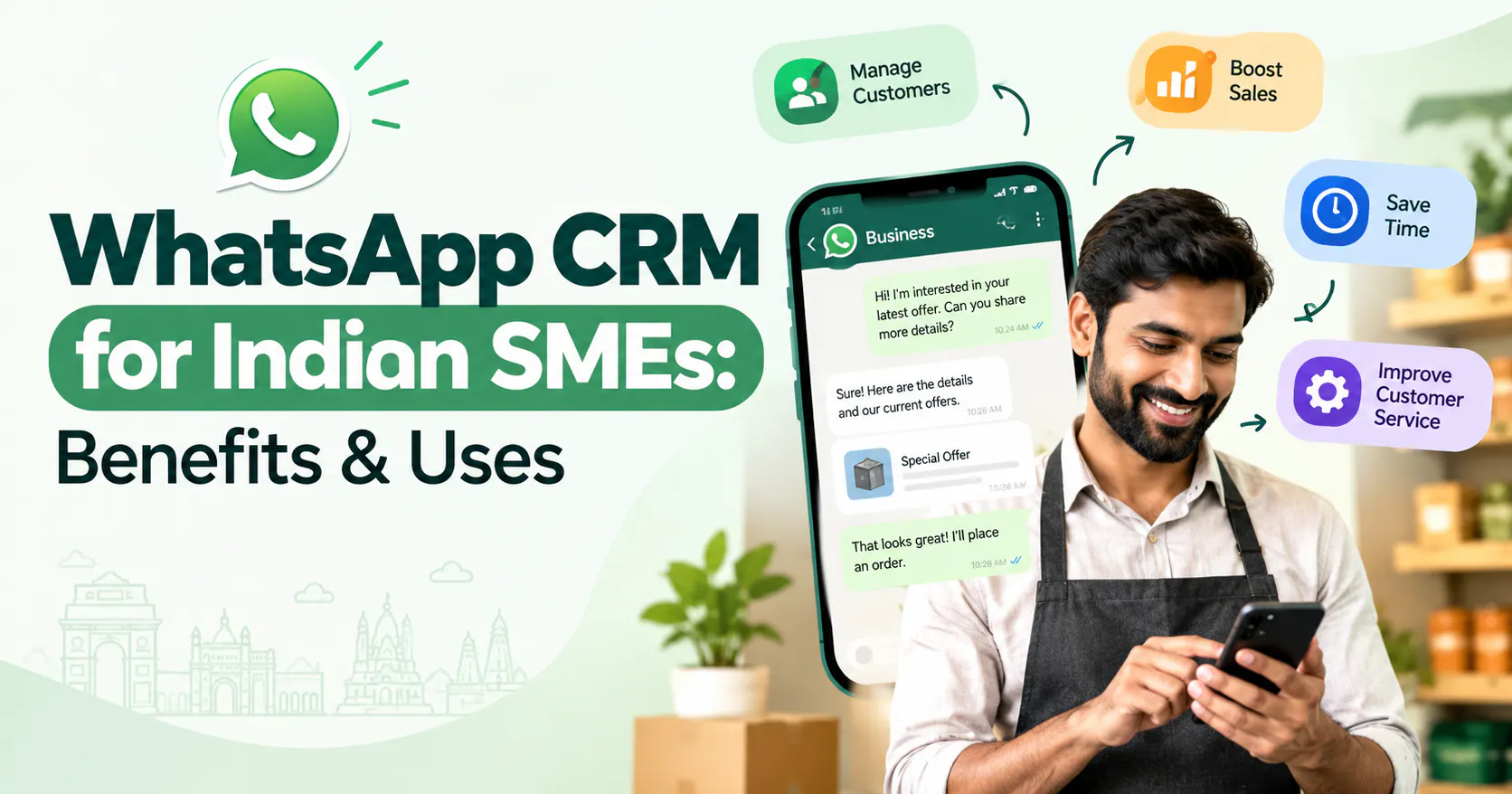
- WhatsApp has become a powerful customer engagement channel for Indian SMEs, supporting communication across enquiries, sales, customer support, post-purchase engagement, and retention.
- Combining WhatsApp with a CRM can create a more connected customer journey, helping businesses manage leads, personalize follow-ups, and maintain consistent customer communication.
- WhatsApp can support long-term customer relationships, with loyalty programs, personalized offers, feedback collection, repeat-purchase campaigns, and referral initiatives.
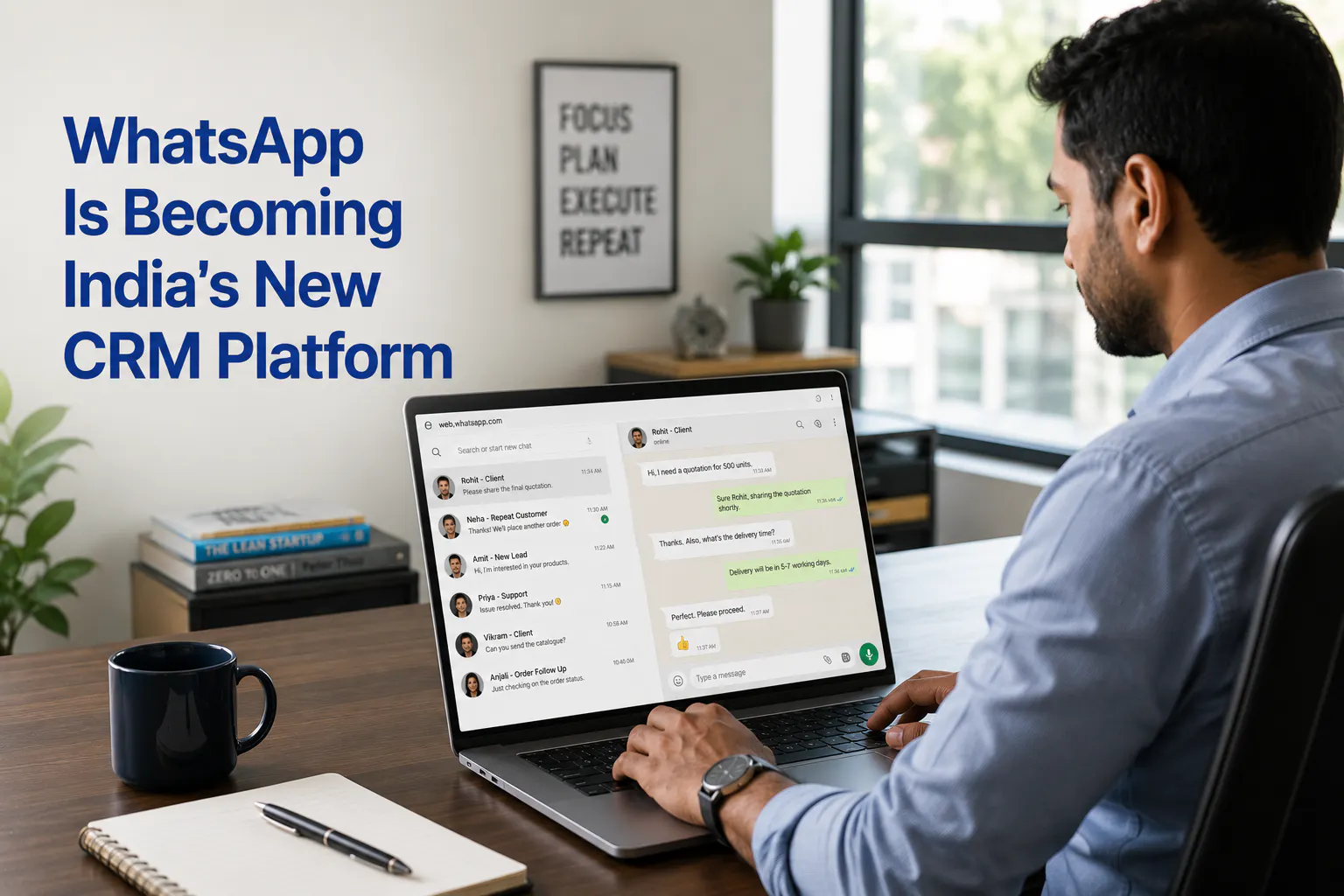
For many Indian SMEs, the first customer conversation no longer starts with an email or a phone call. It starts with a WhatsApp message. From product enquiries and quotations to bookings and customer support, WhatsApp has become a preferred communication channel for both businesses and customers.
According to Ai sensy, India is WhatsApp’s largest market, with more than 535 million users and over 1.5 crore active WhatsApp Business accounts. It also delivers significantly higher engagement than traditional channels, with 95% to 98% message open rates compared to around 20% to 25% for email. Most messages are read within five minutes, allowing businesses to respond to and engage with customers almost instantly.
While many SMEs already use WhatsApp to manage customer conversations, it becomes even more powerful when combined with a CRM. In this guide, you’ll learn why WhatsApp has become a key customer engagement platform for Indian SMEs, how it works alongside a CRM, and how businesses can use both together to build stronger customer relationships and drive long-term growth.
What Is a WhatsApp CRM?
A WhatsApp CRM connects customer conversations on WhatsApp with the information and processes businesses use to manage customer relationships.
A standard WhatsApp Business account can help a business communicate with customers, but conversations can remain isolated. Customer information, previous interactions, sales activity, follow-ups and purchase history may exist somewhere else.
A WhatsApp CRM brings these elements together so businesses can understand the customer behind the conversation.
For example, when an existing customer sends a message asking about a product, the business should not have to treat that person as a completely new enquiry. With the right CRM setup, the team can access relevant customer details, previous conversations, purchase information, lead status, preferences or support history while responding.
This creates a more connected customer experience.
A WhatsApp CRM can bring together:
- Customer profiles and contact information
- WhatsApp conversation history
- Lead information and sales stages
- Customer tags and segments
- Follow-up activities
- Purchase or order information
- Customer support interactions
- Marketing and campaign information
- Automated workflows
- Customer feedback and engagement data
There are two common ways businesses can approach WhatsApp CRM.
A WhatsApp-first CRM setup uses WhatsApp as the primary customer engagement channel, with capabilities such as customer profiles, shared conversations, lead management, automation, segmentation and follow-ups built around WhatsApp.
An existing CRM with WhatsApp integration keeps the traditional CRM as the primary customer management system while connecting WhatsApp conversations and relevant customer activity to it.
The objective in both cases is the same: connect customer conversations with customer information and business workflows so every interaction can contribute to the overall relationship.
Why Businesses Should Treat WhatsApp as a Complete Customer Journey Platform?
WhatsApp has evolved far beyond a messaging app. Today, businesses can use it to engage customers across multiple stages of the customer journey, from the first enquiry to long-term retention. With features such as real-time messaging, automation, rich media sharing, and voice calling, WhatsApp has become a powerful platform for building stronger customer relationships.
Businesses can use WhatsApp throughout the customer journey to:
- Attract and engage potential customers
Share promotional campaigns, product updates, and offers that encourage prospects to start conversations. - Qualify leads and support sales
Answer enquiries, recommend products or services, share quotations, and guide customers towards making informed purchasing decisions. - Deliver fast customer support
Resolve issues quickly through real-time conversations, reducing response times and improving customer satisfaction. - Strengthen post-purchase engagement
Send order updates, product guidance, follow-up messages, and personalized recommendations that keep customers engaged after their purchase. - Build loyalty and encourage repeat business
Launch WhatsApp-based loyalty programs, exclusive offers, and referral campaigns that increase customer retention and lifetime value. - Create seamless customer experiences
Manage multiple customer interactions through one familiar platform, making communication faster, more convenient, and more consistent.
Read more: Seven Proven Customer Loyalty Strategies to Increase Retention
WhatsApp Business vs WhatsApp as a CRM
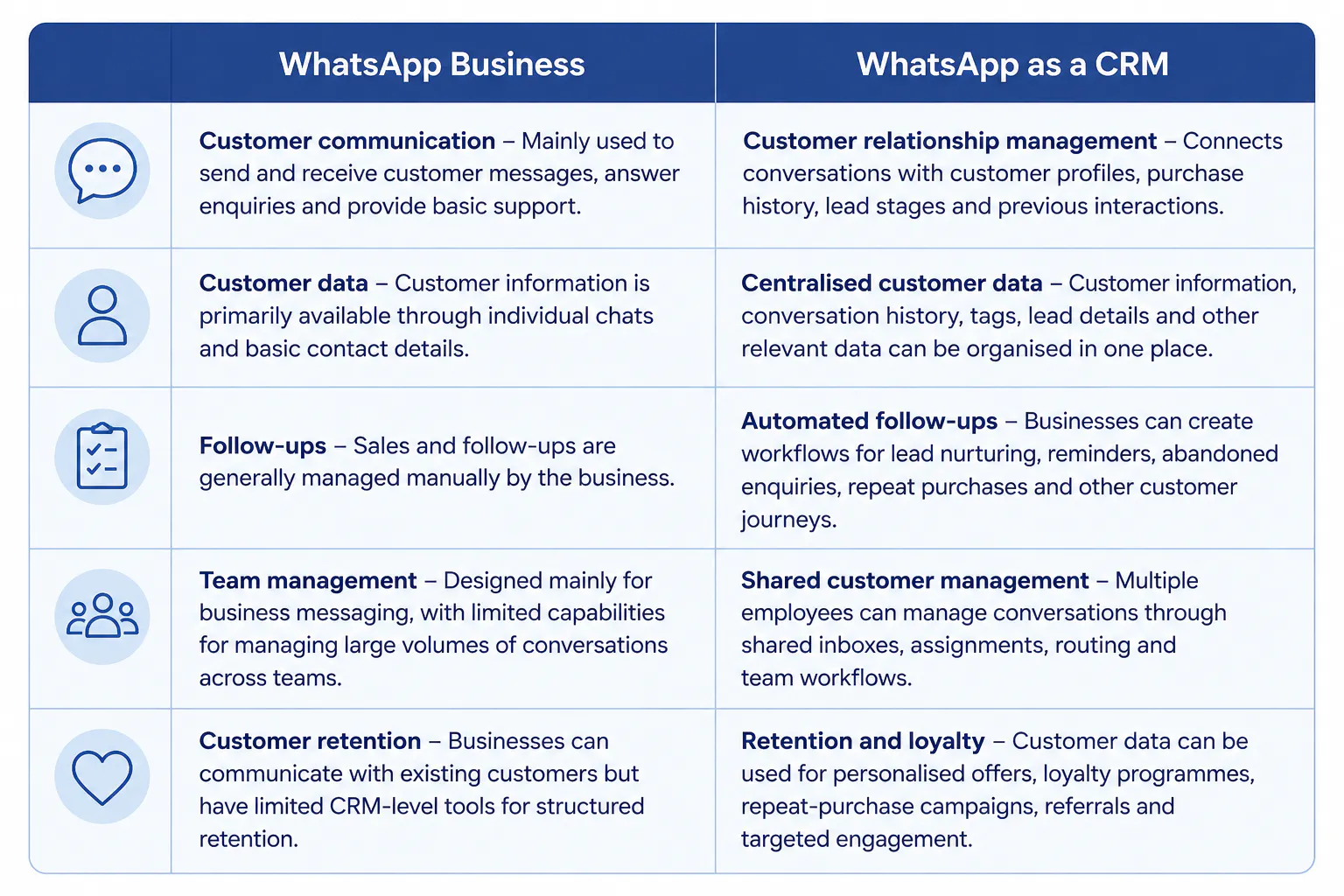
WhatsApp Business and WhatsApp as a CRM serve different purposes. WhatsApp Business is primarily designed to help businesses communicate with customers, while a WhatsApp CRM setup connects those conversations with customer data, sales processes, follow ups, automation and team workflows. The difference is not simply about the features available in WhatsApp, but about how customer conversations are managed and used across the business.
How Can WhatsApp Connect With an Existing CRM?
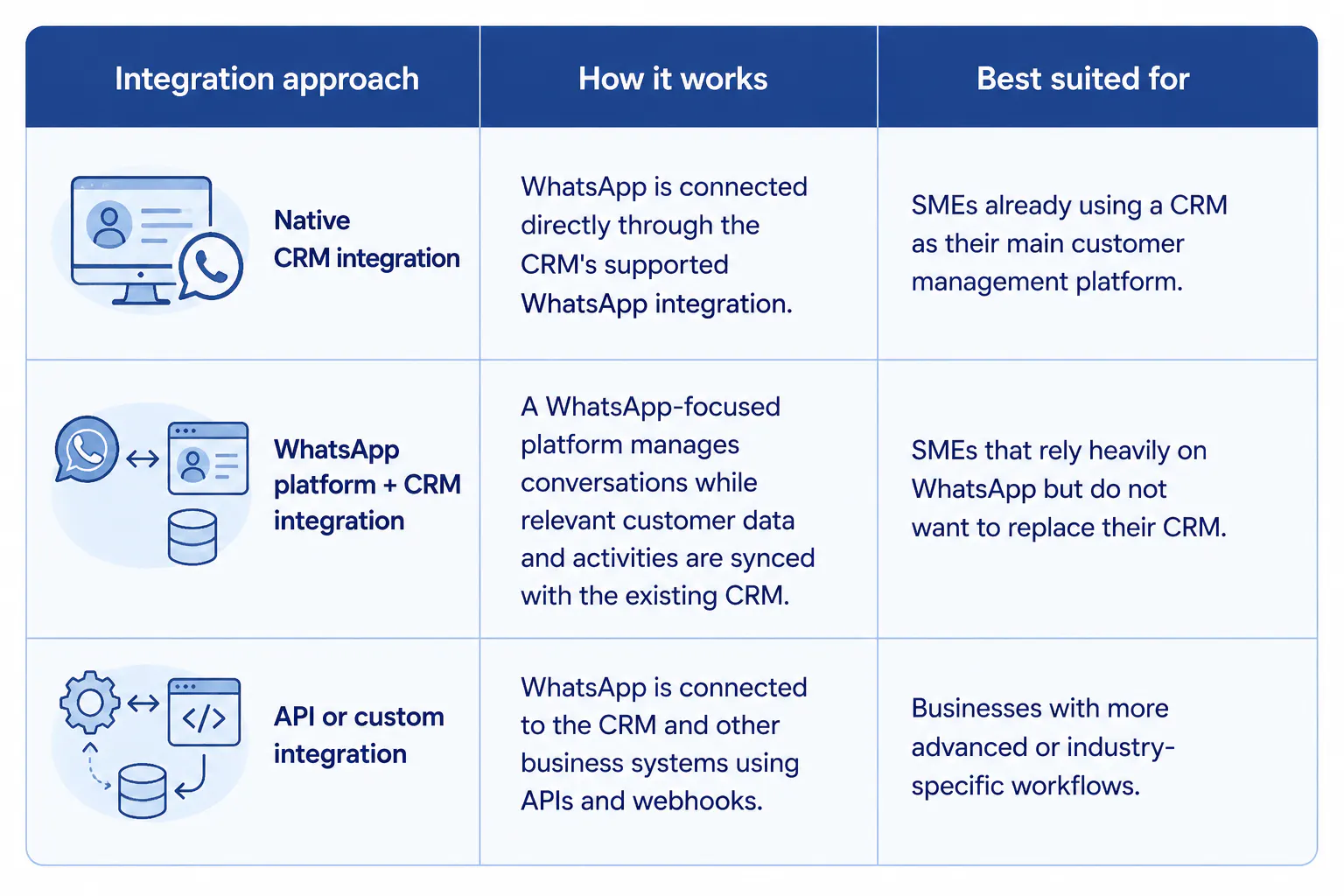
Businesses that already use a CRM do not necessarily need to replace it to benefit from WhatsApp.
Instead, WhatsApp can be connected with the existing CRM so relevant customer information and activities can move between the two systems.
The exact setup depends on the CRM, WhatsApp solution and business requirements, but there are three common approaches.
What Information Can Move Between WhatsApp and a CRM?
Depending on the integration, businesses may be able to connect:
- Customer name and contact details
- Lead source
- Lead or customer stage
- Conversation history
- Assigned salesperson or support agent
- Customer tags and segments
- Purchase or order information
- Appointment information
- Support requests
- Follow-up activities
- Campaign information
- Customer feedback
The exact information available depends on the systems being connected. Businesses should check which fields and events can be synchronised, whether the data moves in one direction or both directions, and which CRM actions can trigger WhatsApp messages.
The goal is not simply to connect two tools. The goal is to make customer information available at the point where the conversation is happening.
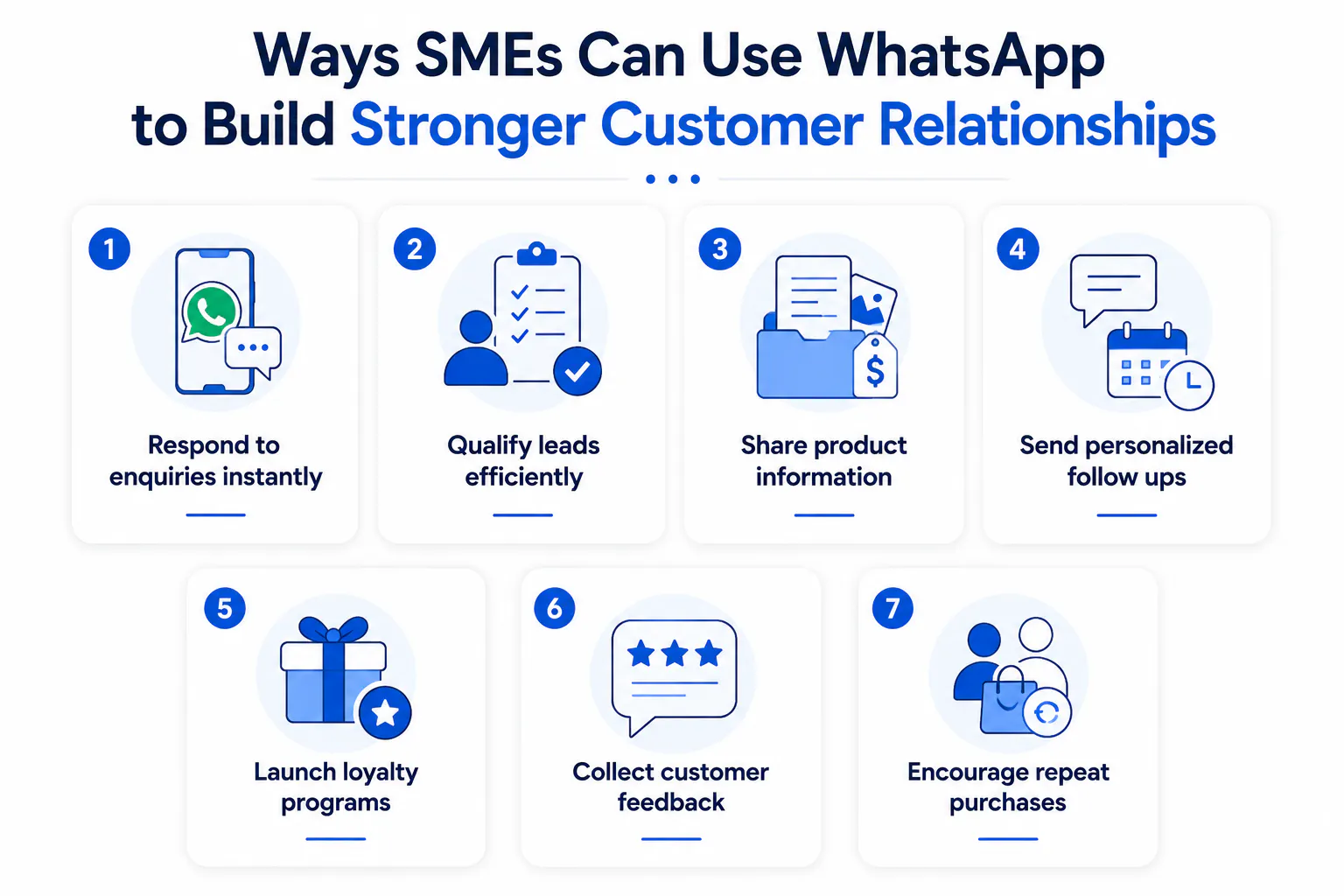
Seven Ways SMEs Can Use WhatsApp to Build Stronger Customer Relationships
WhatsApp allows SMEs to communicate with customers throughout the entire customer journey. Beyond answering messages, businesses can use the platform to improve engagement, increase retention, and build lasting relationships.
- Respond to enquiries instantly
Answer customer questions in real time to improve response times and reduce the chances of losing potential customers. - Qualify leads more efficiently
Gather customer requirements, budgets, and timelines through conversations before passing qualified leads to the sales team. - Share product information and quotations
Send brochures, product catalogs, pricing, quotations, images, videos, and documents directly within the chat. - Send personalized follow-ups
Keep prospects engaged with tailored messages, appointment reminders, order updates, and post-purchase communication. - Launch loyalty programs
Use a WhatsApp loyalty program to reward repeat customers with exclusive offers, loyalty rewards, referral incentives, and personalized promotions that encourage long-term engagement. - Collect customer feedback
Request reviews, surveys, and satisfaction ratings to better understand customer experiences and improve your products or services. - Encourage repeat purchases and referrals
Share personalized recommendations, special offers, and referral campaigns that motivate customers to return and recommend your business to others.
Conclusion
WhatsApp has become a key customer communication channel for Indian SMEs, supporting everything from enquiries and sales to support and repeat engagement. When connected with a CRM, it goes beyond messaging by bringing customer data, follow ups, automation and team workflows together.
The goal is not to replace the CRM, but to make WhatsApp a central part of customer management and use it to build stronger relationships, improve retention and drive repeat business.