Key Takeaways
- A successful loyalty program needs a clear value proposition, meaningful rewards, and a simple participation experience that gives customers a reason to return.
- Personalized, behavior-based communication can keep customers engaged by delivering relevant rewards, reminders, offers, and milestone updates.
- Customer data and loyalty analytics help businesses track purchase behavior, reward usage, and engagement to improve retention and repeat purchases.
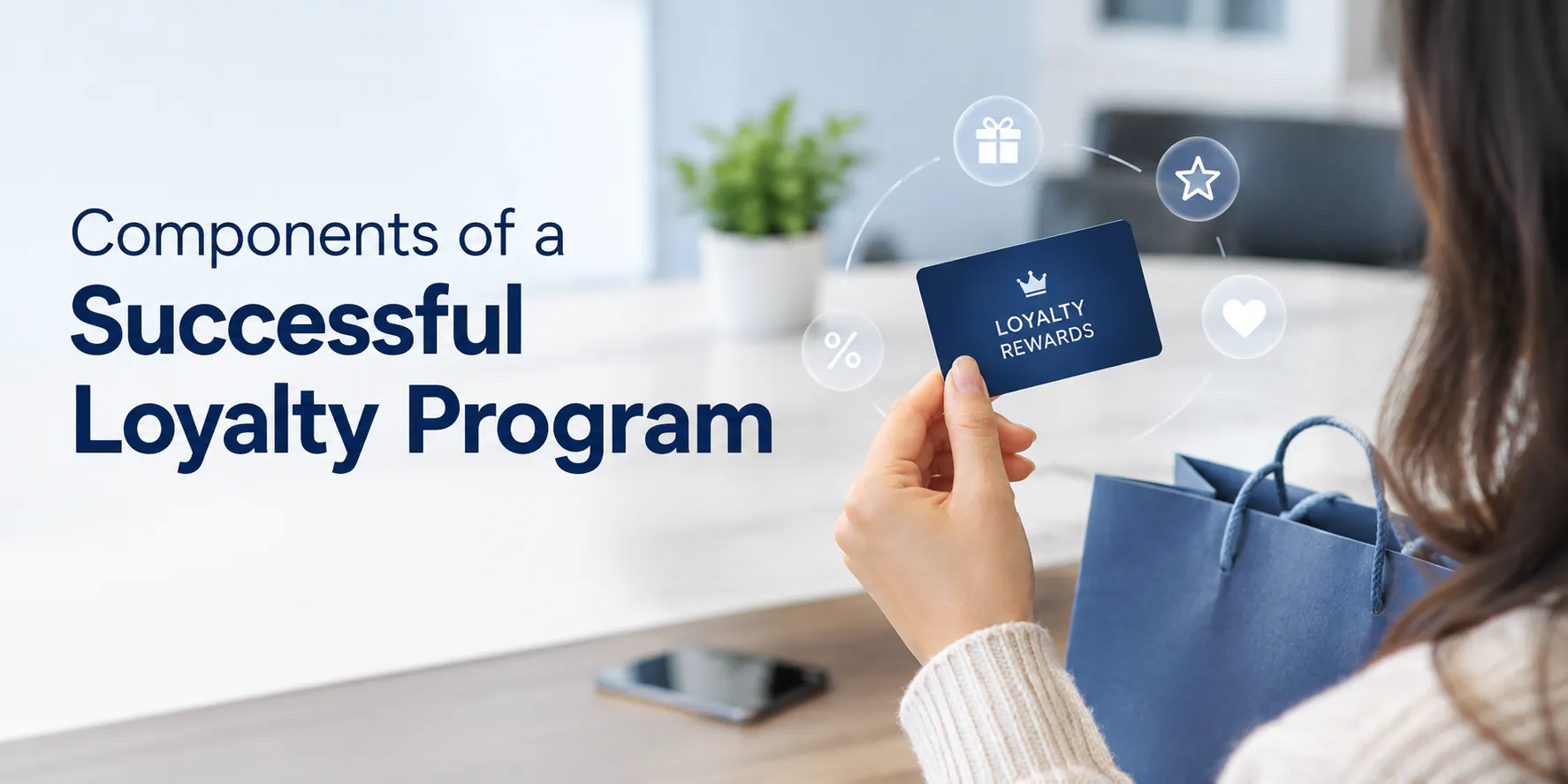
A loyalty program is only valuable when customers have a reason to use it and a reason to come back. Simply offering points or discounts is not enough. A well-designed customer loyalty program can keep customers engaged when joining is easy, rewards are relevant, and the benefits are simple to understand and redeem.
For B2C brands, loyalty programs can help turn one time purchases into ongoing customer relationships by encouraging repeat purchases, increasing engagement, and giving customers more value after they buy.
In this guide, you will learn the key factors that make a loyalty program successful, from easy enrollment and meaningful rewards to personalization, timely communication, customer engagement, and loyalty analytics, along with how businesses can use WhatsApp to make the loyalty experience more accessible.
5 Components Of A Successful Loyalty Program
A successful B2C loyalty program connects customer value, purchase behavior, rewards, communication, and measurable outcomes. Customers need clear benefits, simple participation, and relevant reasons to return, while businesses need visibility into what drives engagement and repeat purchases.
1. A Compelling Value Proposition
Customers join loyalty programs when the benefits feel worthwhile. A strong program communicates its value clearly from the first interaction and connects rewards with products, purchases, and customer preferences.
Businesses can offer points, cashback, discounts, free products, member pricing, early access, or exclusive experiences. The reward should match the customer's buying behavior and provide a benefit that feels achievable.
For example, a skincare brand could provide points for every purchase and give members early access to new product launches. A grocery retailer could provide cashback on frequently purchased categories.
- Clear benefit: Customers understand what they receive by joining.
- Visible progress: Customers can see their points, rewards, and upcoming benefits.
2. A Reward Structure That Encourages Repeat Purchases
A loyalty program should create a clear connection between customer activity and future value. Customers should have a reason to make another purchase after completing their first transaction.
Brands can build reward journeys around purchase frequency, spending levels, product categories, or milestones. A first time buyer could receive an incentive for a second purchase, while an existing customer could unlock stronger benefits after reaching a defined spending threshold.
The structure should reward meaningful customer behavior without making the program dependent on constant discounts.
Read more: Are Loyalty Programs Worth It? What the Research says
3. A Convenient Participation Experience
Customers are more likely to use a loyalty program when enrollment, earning, tracking, and redemption require minimal effort. A complicated registration process or unclear redemption system can reduce participation even when the rewards are attractive.
B2C brands can simplify participation through QR based enrollment, digital reward tracking, straightforward redemption, and familiar communication channels. A customer could scan a QR code at checkout, join the program through WhatsApp, and receive reward updates without downloading a separate application.
The same principle should apply after enrollment. Customers should be able to understand their balance, available rewards, and redemption options without unnecessary steps.
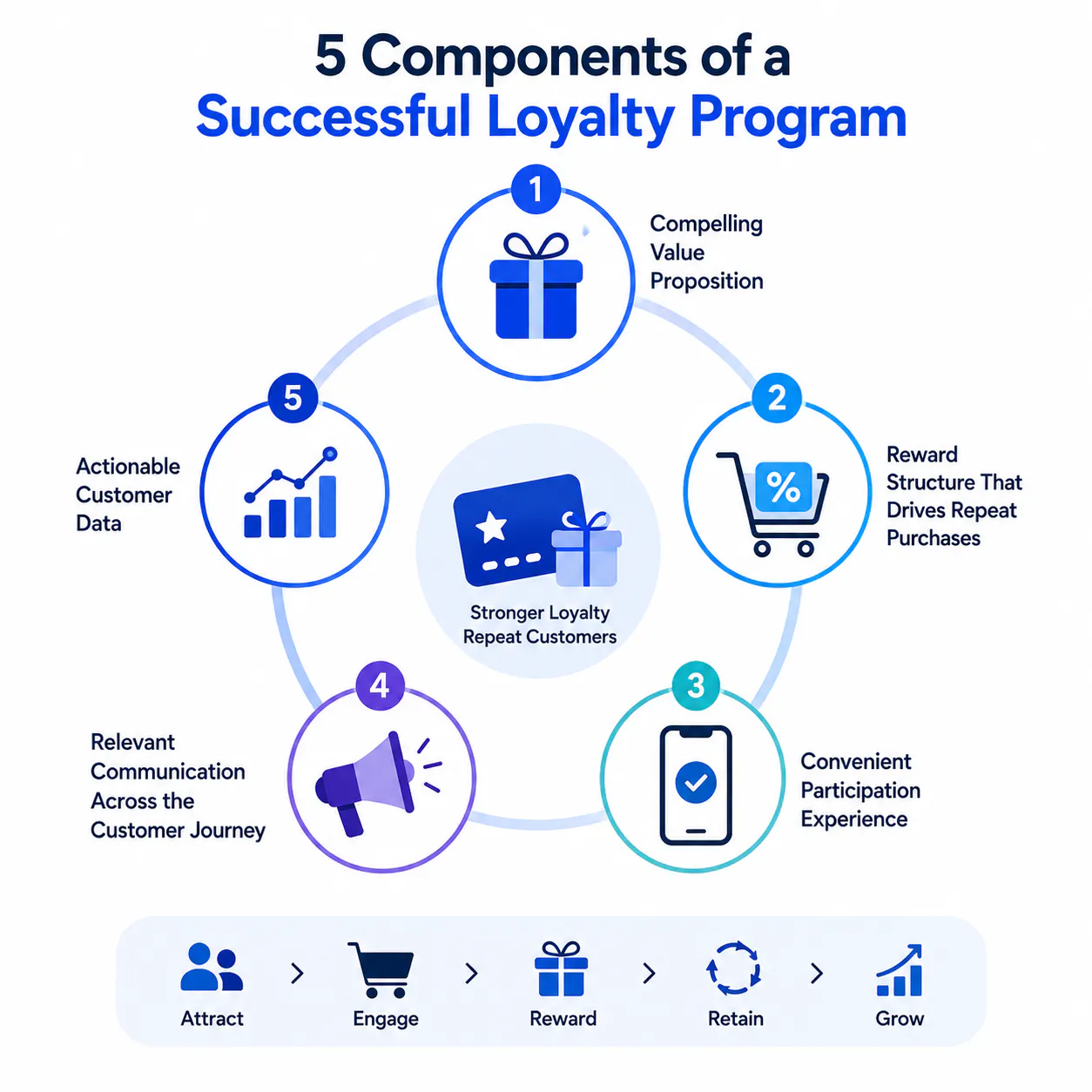
4. Relevant Communication Across The Customer Journey
Loyalty communication becomes more effective when customer behavior determines the message. A new customer needs onboarding communication, a recent buyer may need product guidance, and an inactive customer may need a relevant reason to return.
Purchase history, product preferences, purchase frequency, and loyalty activity can help businesses create more relevant communication. A brand can send a reward confirmation after a purchase, a replenishment reminder before a product runs out, or a milestone message after a customer reaches a defined purchase target.
- Behavior based messaging: Customer activity determines communication timing and content.
- Personalized offers: Customer preferences influence product recommendations and incentives.
Read more: The Complete Customer Journey Framework Explained
5. Actionable Customer Data
A loyalty program should generate useful customer insights alongside rewards. Businesses need to understand who purchases frequently, which rewards drive redemption, and when customers become inactive.
Tracking repeat purchase rates, purchase frequency, redemption rates, reward usage, customer engagement, and inactive customer segments can help brands identify opportunities for improvement.
For example, low reward redemption can indicate a weak reward structure or a difficult redemption process. A decline in purchase frequency can indicate an opportunity for targeted re engagement.
The result is a continuous cycle where customer data informs loyalty decisions, loyalty actions influence customer behavior, and customer behavior generates better data.
Read more: Seven Proven Customer Loyalty Strategies to Increase Retention
How ArthaVerse Supports A Successful Loyalty Program?
ArthaVerse connects customer enrollment, purchase activity, rewards, communication, and retention through a WhatsApp based loyalty program. Customers can enter the program through a QR code and continue their loyalty journey through WhatsApp without downloading a separate app.
- Simple enrollment: QR codes connect customers to the loyalty program through WhatsApp with minimal steps.
- Purchase tracking: Customer purchases can be linked to their WhatsApp profile, creating a record of purchase activity and frequency.
- Reward management: Points, incentives, and milestone rewards can be communicated directly through WhatsApp.
- Timely engagement: Automated messages can support reward milestones, repeat purchase opportunities, and customer re engagement.
- Loyalty insights: Businesses can monitor customer activity, redemption rates, purchase cycles, and engagement through the loyalty dashboard.
Conclusion
A successful loyalty program goes beyond offering points or discounts. It gives customers meaningful value, makes participation easy, encourages repeat purchases, and uses customer behavior to create more relevant experiences.
With the right loyalty strategy, businesses can strengthen customer relationships, increase repeat purchases, improve retention, and build greater long term customer value. ArthaVerse brings these elements together through WhatsApp, connecting QR based enrollment, purchase tracking, rewards, customer engagement, and loyalty insights in one platform.